

Culture et élevage de mollusques
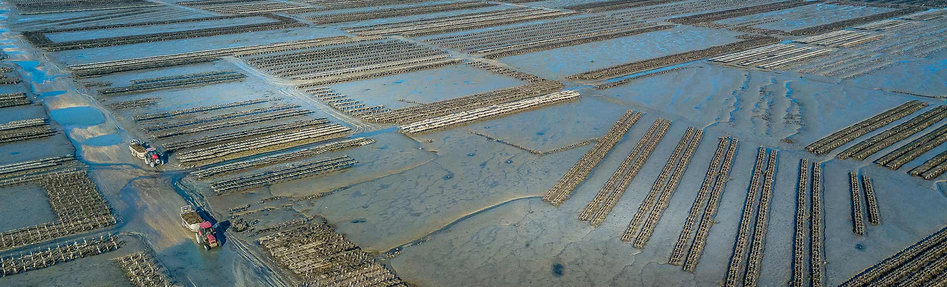
Invertebrates play an essential role in marine ecosystems, particularly in contributing to sediment dynamics and carbon sequestration. They also serve as excellent bioindicators for assessing the good ecological status of an ecosystem. Furthermore, invertebrates are a source of inspiration for innovations in bioinspiration, particularly in the fields of robotics and adhesive materials. Research supported by the ANR has focused, for example, on combating diseases affecting oysters and defining strategies for resilience against these pathologies. In the context of the fight against climate change, analyzing the genomic adaptation capacity of invertebrates to a changing environment also opens important perspectives for the control of invasive species.
1 - Aquatic invertebrates and aquaculture
Tristan RENAULT, Ifremer
1) Scientific background
Invertebrates constitute a very significant part of the biodiversity within aquatic ecosystems. They occupy a place there, in particular as sources of food for other species or by degrading organic matter. Invertebrates are present in all ecological niches of these ecosystems: water column, water-sediment interface, sediment, plants or algae, etc. These are therefore excellent indicators of environmental quality. As part of the policies implemented for the protection of aquatic ecosystems and the management of the resources they contain (WFD, 2003), networks have been developed targeting aquatic invertebrates and the evolution of their populations in time and space, these evolutions reflecting the good ecological state or not of the environments monitored.
Some species of aquatic invertebrates are also exploited, particularly for human consumption in a global context of development in recent decades of aquaculture activities. Global aquaculture production continued to grow in 2020 (FAO, 2022). The total production of global aquaculture in 2020 was 122.6 million tons. Over the period 1990-2020, this production increased with an average annual growth rate of 6.7%. The average annual growth rate gradually decreased, from 9.5% over the period 1990-2000 to 4.6% over the period 2010-2020. It fell further to 3.3% per year in recent years (2015-2020). Alongside the declining growth rate in relative terms, it is important to note the net increase in global production in absolute terms over the three decades (FAO, 2022).
In 2020, production of invertebrate species amounted to 17.7 million tons of molluscs (29.8 billion USD) - mainly bivalves -, 11.2 million tons of crustaceans (81.5 billion USD) and 525,000 tons of aquatic invertebrates other than molluscs and crustaceans (2.5 billion of USD) (FAO, 2022). Shrimp dominate coastal shellfish aquaculture production in brackish water ponds and are an important source of foreign exchange earnings for some developing countries in Asia and Latin America. In terms of quantity, China's production of marine molluscs far exceeds that of all other producers combined. In some major producing countries, however, marine bivalve farming represents a significant percentage of total aquaculture production of aquatic animals (New Zealand, France, Spain, Republic of Korea, Italy and Japan).
These contextual elements should be linked to the fact that over the period 2005-2025, ANR financed/co-financed around 30 projects targeting marine invertebrates both to better understand their biology and to understand the hazards that affect them.
2) Main Contributions of the French Communities through ANR co-funding
In the context described above, ANR over the period considered financed or co-financed subjects more particularly targeted on (1) diseases and associated pathogens affecting aquatic invertebrates, (2) biological risks (viruses and algal toxins) and their control in relation to shellfish consumption by humans or even (3) the exploitation of marine invertebrates in a context of global change and understanding of the mechanisms at work in terms of adaptation and evolution. It should be noted, however, that it is the diseases affecting marine bivalves and the infectious agents responsible for these diseases which have been the most studied in a context of changing environmental conditions and the emergence of mass mortality phenomena.
2-1 Diseases and pathogens affecting aquatic invertebrates
Over the period 2005-2025, around ten projects enabled the acquisition of knowledge on diseases affecting aquatic invertebrates and more particularly oysters. This relatively high number of projects undoubtedly finds its source in the economic importance of shellfish farming in France and the hazards it has faced in recent decades, infectious diseases being a major hazard for aquaculture activities. (VIBRIOGEN - ANR-11-BSV7-0023 - Les vibrions pathogènes d’invertébrés marins : un nouveau regard sur la virulence et les réservoirs de gènes permettant l’adaptation à la niche écologique ; OPOPOP - ANR-13-ADAP-0007 - Emergence de pathogènes opportunistes d'huîtres dans des populations naturelles de Vibrio ; REVENGE - ANR-16-CE32-0008 - L'huître comme niche de l'évolution et l'émergence de vibrios pathogènes ;ENVICOPAS - ANR-15-CE35-0004 - Impact des changements environnementaux sur les organismes pathogènes dans les écosystèmes côtiers ; GIGASSAT - ANR-12-AGRO-0001 - Adaptation des écosystèmes ostréicoles au changement global ; DECIPHER - ANR-14-CE19-0023 - Déchiffrage des maladies multifactorielles: cas des mortalités de l'huître ; DECICOMP - ANR-19-CE20-0004 - Déchiffrer toute la complexité du syndrome de mortalité des huîtres du Pacifique pour modéliser le risque épidémiologique ; PRIMOYSTER - ANR-22-CE20-0017 - Exploration des capacités de priming immunitaire chez l'huître ; IDEAL - ANR-23-CE35-0009 - Impact des données génomiques sur le contrôle des maladies des mollusques marins).
In the marine environment, there are populations of vibrios presenting infectious risks for farmed species. Thus, it was possible to identify populations (or species) of vibrios at risk (Lemire et al., 2014, Bruto et al., 2017) for cupped oysters (Vibrio tasmanienis, V. crassostreae) and farmed shrimp (V. nigripulchritudo) and to highlight original mechanisms (Goudenège et al., 2015; Rubio et al., 2019) by which these bacteria kill their hosts (in the Pacific oyster: invasion of hemocytes, resistance of bacteria to copper, cooperation between vibrios; in shrimps, expression of a previously unknown toxin).
The spatio-temporal dynamics of microbial communities, including pathogenic vibrios, and the environmental factors influencing their distribution, have been studied in particular in France and Germany by combining broad (metabarcoding) and specific (MALDI-TOF MS) approaches. In seawater, bacterial communities exhibit seasonal dynamics correlated with temperature and salinity. The data obtained contributed to enriching existing databases on bacteria (vibrions). Bacteria belonging to the genus Vibrio (or vibrios) constitute a family of ubiquitous heterotrophic bacteria found in marine environments. Although they represent only a small percentage of total marine bacteria, vibrios can predominate during blooms. These blooms are regulated at least in part by bacteriophages (or phages), viruses that specifically infect bacteria. Phages thus influence the abundance and diversity of vibrios and show a strong specificity for co-occurring vibrios due to i) specific receptor(s) and; ii) resistance mechanisms in the host. Thus, the vibrio pathogenic for the Pacific oyster, V. crassostreae, is structured into epidemic clades whose virulence depends in part on the presence of a plasmid. Each genomic group of phages specifically adsorbs to a clade of V. crassostreae, but their multiplication depends on the presence of resistance genes in the host and/or counter-resistance genes in the phage (Piel et al., 2022; Cahier et al., 2023).
Furthermore, to assess the environmental and economic situation of shellfish ecosystems in France and analyze the emergence of massive mortality outbreaks affecting Pacific oysters, results from observations, experiments and modeling acquired at different spatial and temporal scales were combined. Thus, to understand the factors that govern the spatial distribution and spread of diseases in the Pacific oyster, Magallena/Crassostrea gigas, (1) the key epidemiological parameters for agents such as the bacteria V. aestuarianus have been identified (Parizadeh et al., 2018; Lupo et al., 2020), (2) experiments in a controlled environment carried out highlighting the effect of temperature, salinity, acidification, phytoplankton and the physiology of the Pacific oyster on the transmission of diseases and associated mass mortality episodes (Lupo et al., 2019), and (3) the geographical variations of mortalities analyzed in relation to environmental parameters in a natural environment (Pernet et al., 2014a; Pernet et al., 2014b; Renault et al., 2014). The environment thus plays a major role in the risk of mortality caused by infectious diseases in the Pacific oyster. The impact of temperature on the development of infections caused by OsHV-1 or V. aestuarianus has been shown experimentally in M./C. gigas. At the scale of a bay, the density of oysters influences the prevalence of infections and the water temperature acts on the speed of propagation of these infections (Renault et al., 2014). A model of disease transmission and mortality of Pacific oysters taking into account epidemiological, hydrodynamic parameters and contact structures of oyster populations was thus constructed for V. aestuarianus infection (Prazadeh et al., 2018; Lupo et al., 2019, Lupo et al., 2020). This model makes it possible to compare disease management measures (regulation of transfers, density management). Using experimental infections reproducing the natural route of infection and combining thorough molecular analyses of Pacific oyster families, it was shown that mass mortality episodes affecting Pacofoc oyster spat were related to multiple infection with an initial and necessary step of infection by OsHV-1 (de Lorgeril et al., 2018). Viral replication leads to the host entering an immune-compromised state, evolving towards subsequent bacteraemia (de Lorgeril et al., 2018 ; Oyanedel et al., 2023).
Taking advantage of an invertebrate species, the Pacific oyster, in which one of the longest and most effective periods of protection against OsHV-1 infection is observed in an invertebrate was reported, the first comprehensive transcriptomic analysis of antiviral innate immune priming was provided (Lafont et al., 2020). Priming with poly(I·C) induced a massive upregulation of immune-related genes, which control subsequent viral infection, and it was maintained for over 4 months after priming (Lafont et al., 2020). These recent advances have shown that the innate immune system of invertebrates can develop memory mechanisms (innate immune memory, immune priming or trained immunity) allowing for efficient protection against infectious diseases. Moreover, UV-inactivated OsHV-1 is also a potent elicitor of immune priming. Previous exposure to the inactivated virus was able to efficiently protect oysters against OsHV-1 infection, significantly increasing oyster survival (Morga et al., 2024). This exposure blocked viral replication and was able to induce antiviral gene expression potentially involved in controlling the infection. Finally, this phenomenon can persist for at least 3 months, suggesting the induction of innate immune memory mechanisms (Morga et al., 2024). New ways to train the Pacific oyster immune system are unrealed and could represent an opportunity to develop new prophylactic strategies to improve health and to sustain the development of marine mollusk aquaculture (Dantan et al., 2024 ; Montagnani et al., 2024).
2-2 Shellfish contamination and consumer health
Concerning this theme, ANR has more particularly financed/co-financed scientific projects targeting toxic microalgae or even noroviruses.
The projects MODECOPHY (ANR-06-SEST-0023 - Modélisation des mécanismes de contamination des coquillages par des phycotoxines), ACCUTOX (ANR-13-CESA-0019 - De la caractérisation des déterminants de l’accumulation des toxines paralysantes (PST) chez l’huître (Crassostrea gigas) au risque sanitaire pour l’homme dans son contexte sociétal) or event HABIS (ANR-22-CE20-0024 - Efflorescences de microalgues toxiques (HAB) : une menace pour la durabilité des bivalves commercialement exploités?) made it possible to explore the determinants of phycotoxin accumulation and the underlying mechanisms in Pacific oysters. Harmful and toxic microalgae blooms or HABs (Harmful Algal Blooms) are indeed becoming more and more frequent and intense across the globe. These HABs are now considered as a major environmental, societal and economic concern for the sustainability of marine ecosystems and their uses and appear as a scientific challenge in research strategies (Paris Agreement, UNESCO). Toxic microalgae have significant harmful effects on the ecology of coastal ecosystems, the structure of marine communities and the life traits of marine species as well as along the trophic chain they support, as well as an economic cost of more than 800 million euros/year in Europe alone.
Harmful algal blooms of Alexandrium spp. dinoflagellates regularly occur in French coastal waters contaminating shellfish. Studies have demonstrated that toxic Alexandrium spp. disrupt behavioural and physiological processes in marine filter-feeders, but molecular modifications triggered by phycotoxins are less well understood. The mRNA levels of 7 genes encoding antioxidant/detoxifying enzymes were thus analyzed in gills of Pacific oysters exposed to a cultured, toxic strain of A. minutum, a producer of paralytic shellfish toxins (PST) or fed Tisochrysis lutea, a non-toxic control diet (Fabioux et al., 2025). Transcript levels of sigma-class glutathione S-transferase (GST), glutathione reductase (GR) and ferritin (Fer) were significantly higher in oysters exposed to A. minutum compared to oysters fed T. lutea. The detoxification pathway based upon glutathione (GSH)-conjugation of toxic compounds (phase II) is likely activated, and catalyzed by GST. This system appeared to be activated in gills probably for the detoxification of PST and/or extra-cellular compounds, produced by A. minutum. GST, GR and Fer can also contribute to antioxidant functions to prevent cellular damage from increased reactive oxygen species (ROS) originating either from A. minutum cells directly, from oyster hemocytes during immune response, or from other gill cells as by-products of detoxification (Fabioux et al., 2015). A flow-cytometric (FCM) approach was also develpped to evaluate A. minutum cellular responses to mechanical and chemical stresses. FCM analysis and sorting, and microscopic observations permitted identification and characterization of five cellular states/forms of A. minutum; (1) vegetative cells, (2) pellicle cysts, (3) degraded cells, (4) empty theca, and (5) dead cells (Haberkorn et al., 2015). Experiment assessing kinetics of excystment indicated that it can occur rapidly following mechanical stress (centrifugation). Moreover, upon 30 min of exposure to chemical stressors (saponine and H2O2), only vegetative cells, pellicle cysts, and dead cells were detected. Overall, encystment–excystment of A. minutum upon changes of environmental conditions can occur very rapidly (Haberkorn et al., 2015).Furthermore, Pacific oysters, M./C. gigas, after being experimentally contaminated by A. minutum were fed S. costatum. Decontamination rates are higher than those observed in coastal environments. Feeding S. costatum significantly reduces the time needed to reach the health threshold (Gueguen et al., 2008).
Through the project COQUENPATH (ANR-06-SEST-0008 - Rôle des coquillages et de l'environnement marin sur la sélection de souches de Norovirus, humaines/animales, pathogènes pour l'homme), the role of the marine environment, and in particular shellfish, on the selection of human or animal norovirus strains was explored. Shellfish were selected as a food model that could promote the zoonotic potential of noroviruses through their filtration activity. Noroviruses are non-enveloped single-stranded RNA viruses (therefore very resistant) and certain shellfish production sites are in coastal areas contaminated by waste from intensive pig or cattle farming. The sequence similarities of bovine and porcine noroviruses with human strains suggest that these animals could, through the genetic evolution of these strains, constitute a reservoir for humans. Based on previous observation of a specific binding of the Norwalk strain (prototype norovirus genogroup I) to the Pacific oyster digestive tract through an A-like carbohydrate structure indistinguishable from human blood group A antigen and on the large diversity between strains in terms of carbohydrate-binding specificities, the different ligands implicated in attachment to oysters tissues of strains representative of two main genogroups of human noroviruswere evaluated were explored. The GI.1 and GII.4 strains differed in that the latter recognized a sialic acid-containing ligand, present in all tissues, in addition to the A-like ligand of the digestive tract shared with the GI.1 strain (Maalouf et al., 2010). Furthermore, bioaccumulation experiments using wild-type or mutant GI.1 showed accumulation in hemocytes largely, but not exclusively, based on interaction with the A-like ligand. Moreover, a seasonal effect on the expression of these ligands was detected, most visibly for the GI.1 strain, with a peak in late winter and spring, a period when GI strains are regularly involved in oyster-related outbreaks (Maalouf et al., 2010). These observations may explain some of the distinct epidemiological features of strains from different genogroups.
2-3 Exploitation of marine invertebrates in a context of global change and understanding of the mechanisms at work in terms of adaptation and evolution (projets Hi-Flo - ANR-08-BLAN-0334)
The genetic basis and history of adaptive differentiation in high gene flow marine species ; Gametogenes - ANR-08-GENM-0041 - Génomiques de la gamétogénèse chez l'huître creuse Crassostrea gigas ; MEET - ANR-20-CE02-0024 - Les Moules du genre Mytilus et leur Environnement: une Exploration de leurs phénotypes et de leurs génomes à travers le Temps ; IMTA-EFFECT - ANR-15-COFA-0001 - Integrated Multitrophic Aquaculture for EFFiciency and Environmental ConservaTion ; SIMTAP - ANR-18-PRIM-0017 - Self-sufficient Integrated Multi-Trophic AquaPonic systems for improving food production sustainability and brackish water use and recycling ; MANA - ANR-16-CE32-0004 - Gestion des Atolls)
Recent advances in DNA sequencing techniques now make it possible to analyze a very large number of genes simultaneously, what is called a “genomic scan”. By comparing the frequency of alleles in populations encountering different environmental conditions, it is possible to identify genes which present differences in allelic frequencies greater than those observed on other genes in the genome. These genes are located in regions of the genome under the influence of selection. Genomic scans were carried out in five species of marine invertebrates – the Pacific oyster, the flat oyster, the mussel, the crepidula and a tellina – by comparing more or less distant populations and also populations that have recently invaded a new geographical area following their introduction by humans. Thus, selected genes were detected very easily in the original areas inhabited by the species for many generations, whereas no or few selected loci were identified in the areas where the species were introduced. Adaptive polymorphisms are ancient polymorphisms, which have segregated in populations for a long time and which may even have crossed species boundaries (Rohfritsch et al., 2013). The history of genetically differentiated populations often results from secondary contact between populations that had been geographically isolated in the past. The hypothesis according to which the adaptation of marine species would involve the long-term evolution, and in a geographical context probably different from the current context, of various genetic mechanisms – local adaptation, hybridization depression, partner choice – which combine their effects by genetic coupling could thus be developed (Rohfritsch et al., 2013).
The analysis of the DNA entrapped in ancient shells of molluscs has the potential to shed light on the evolution and ecology of this very diverse phylum. Ancient genomics could help reconstruct the responses of molluscs to past climate change, pollution, and human subsistence practices at unprecedented temporal resolutions. To improve ancient shell genomic analyses, high-throughput DNA sequencing was applied to Mytilus mussel shells dated to ~111-6500 years Before Present, and investigated the impact, on DNA recovery, of shell imaging, DNA extraction protocols and shell sub-sampling strategies. All layers that compose Mytilus shells, i.e., the nacreous (aragonite) and prismatic (calcite) carbonate layers, with or without the outer organic layer (periostracum) proved to be valuable DNA reservoirs, with aragonite appearing as the best substrate for genomic analyses (Martin-Roy et al., 2024)
Furthermore, the physiological and genetic bases of reproduction and associated metabolisms in the Pacific oyster, have been studied. This species belonging to the phylum Lophotrochozoa, it is located in a key phylogenetic position among bilaterian animals and offers the opportunity to examine in a comparative context the evolution of genes involved in processes related to reproduction. Oysters produce gametes in abundance and release them into seawater where fertilization takes place. This high fertility makes it possible to compensate for significant mortality during the early stages of development. As a result, gametogenesis has a major impact on many physiological functions causing genetic and phenotypic trade-offs between reproduction, growth and survival. Gametogenesis is also a biological process whose control is important in the context of aquaculture of this species. In this context, networks of genes specifically expressed during the process of gametogenesis in gonadal tissue during an annual reproductive cycle were highlighted thanks to the implementation of high-throughput transcriptomic techniques (DNA chips) and real-time PCR. This approach led to the identification of markers (1) of reproductive stages and (2) of sex determination in a hermaphrodite species with irregular protandry, as well as genes whose expression is linked to reproductive investment (Dheilly et al., 2012). With the prospect of combining genetic and phenotypic data, some innovative post-genomic methodologies (RNA interference (RNAi), reverse endocrinology or pharmacological approaches) have been developed and adapted to explore the function of certain genes involved in reproductive processes. These methods constitute an essential step in the genetic and functional exploration of the oyster with the aim of domesticating or improving traits of interest for aquaculture and understanding the impact of environmental changes on the physiology of this sentinel species. The “GigasDataBase” database was thus enriched and a new expression database bringing together all the qualitative and quantitative transcriptional data in the Pacific oyster was constructed (Fleury et al., 2009).
Integrated multi-trophic aquaculture (IMTA) is a promising perspective to develop efficient and environmentally friendly aquaculture. Different case studies revealed that in IMTA, adapted management of the interaction between species of different trophic groups permits to improve the aquaculture system (Cunha et al., 2019). The overall productivity of the integrated systems compared to the reference fish monoculture can be increased by the production of other products and/or services. It globally increases the efficiency of fish feeding by recycling within the system loop and therefore, limits the environmental impacts. IMTA permits also diversification of the aquatic products, contributing to aquatic farm robustness. The key role of primary producers (plants, micro and macro algae) as the engine for nutrient recycling was documented. Their role in the regulation of gas (CO2 and O2) and water quality was shown as they can dramatically reduce the water concentration in nitrogen and phosphorus. Conversely, the positive effect of fish and bivalves on the productivity of primary producers overpass the simple exchange of nutrients (Cunha et al., 2019). As examples, the bivalves can increase the water transparency and favor photosynthesis and oxygen availability in coastal ponds.
3) Research perspectives
In a context of accelerating climate change and global change and their attendant dangers and risks, two major challenges for our societies today seem to face each other: that of food security in a world with ever-increasing demographics and that of the preservation/restoration of biodiversity and ecosystems for future generations.
Aquatic ecosystems are at the heart of these two issues and their combination. On the one hand, these ecosystems are central through the biological resources exploited by fishing and aquaculture, ensuring a primary contribution in terms of food globally. On the other hand, these ecosystems and the species they host are under increasing pressure linked to environmental changes induced by human activities (exploitation of living resources, releases of contaminants, diversified developments and activities, etc.) eroding biodiversity and modifying ecosystems. Climate change is already at work and increasingly significant anthropogenic forcing is leading aquatic ecosystems onto transition trajectories, beyond their resilience (Sayer et al., 2025). It is therefore essential to think in terms of multiple interactions and transitions and no longer in terms of equilibrium compromises. The major issue today is indeed a form of paradigm shift by ensuring that the ecosystem approach, which could also be described as an approach based on the One Health concept, becomes a form of preamble to any reflection concerning the development of human activities linked to these environments.
In this context, it is necessary to continue work concerning (1) the knowledge and characterization of the biodiversity of aquatic invertebrates to better preserve them, (2) the understanding of the functioning of aquatic ecosystems and the development of tools to support their good ecological status, (3) support for the sustainable development of the exploitation of biological resources (aquatic invertebrates) through fishing and aquaculture and (4) the valorization of marine biological resources through biotechnologies. But, the primary challenge in terms of scientific work must focus primarily on (1) an essential evolution of the observation of aquatic environments in their biological and ecosystem components in a context of multiple and complex interactions through an integrated and non-targeted observation of tomorrow, and (2) the development of management scenarios for these ecosystems through modeling and their sharing with society in all of its components.
Bruto M., James A., Petton B., Labreuche Y., Chenivesse S., Alunno-Bruscia M., Polz M. F., Le Roux F. (2017). Vibrio crassostreae, a benign oyster colonizer turned into a pathogen after plasmid acquisition. ISME Journal, 11(4), 1043-1052. doi: 10.1038/ismej.2016.162 Cahier K., Piel D., Barcia‐Cruz R., Goudenège D., Wegner K. M., Monot M., Romalde J. l., Le Roux F. (2023). Environmental Microbiology, 25(8), 1424-1438. DOI 10.1111/1462-2920.16366 Cunha M. E, Quental-Ferreira H., Parejo A., Gamito S., Ribeiro R., Moreira M., Monteiro I., Soares F., Pousão-Ferreira P. (2019). Understanding the individual role of fish, oyster, phytoplankton and macroalgae in the ecology of integrated production in earthen ponds. Aquaculture, 512, 734297. http://dx.doi.org/10.1016/j.aquaculture.2019.734297 Dantan L., Toulza E., Petton B., Montagnani C., Degremont L., Morga B., Fleury Y., Mitta G., Gueguen Y., Vidal-Dupiol J., Cosseau C. (2024). Microbial education for marine invertebrate disease prevention in aquaculture. Reviews in Aquaculture, 16(3), 1229-1243. https://doi.org/10.1111/raq.12893 De Lorgeril J., Lucasson A., Petton B., Toulza E., Montagnani C., Clerissi C., Vidal-Dupiol J., Chaparro C., Galinier R., Escoubas J.-M., Haffner P., Dégremont L., Charrière G. M., Lafont M., Delort A., Vergnes A., Chiarello M., Faury N., Rubio T., Leroy M. A., Pérignon A., Régler D., Morga B., Alunno-Bruscia M., Boudry P., Le Roux F., Destoumieux-Garzόn D., Gueguen Y., Mitta G. 2018. Immune-suppression by OsHV-1 viral infection causes fatal bacteraemia in Pacific oysters. Nature Communications, 9(1), 4215. doi: 10.1038/s41467-018-06659-3. Dheilly N., Lelong C., Huvet A., Kellner K., Dubos M.-P., Riviere G, Boudry P., Favrel P. (2012). Gametogenesis in the Pacific Oyster Crassostrea gigas: A Microarrays-Based Analysis Identifies Sex and Stage Specific Genes. Plos One, 7 (5), 36353. http://dx.doi.org/10.1371/journal.pone.0036353 Fabioux C., Sulistiyani Y., Haberkorn H., Hegaret H., Amzil Z., Soudant P. (2015). Exposure to toxic Alexandrium minutum activates the detoxifying and antioxidant systems in gills of the oyster Crassostrea gigas.Harmful Algae, 48, 55-62. DOI 10.1016/j.hal.2015.07.003 Fleury E., Huvet A., Lelong C., de Lorgeril J., Boulo V., Gueguen Y., Bachere E., Tanguy A., Moraga D., Fabioux C., Lindeque P., Shaw J., Reinhardt R., Prunet P., Davey G., Lapegue S., Sauvage C., Corporeau C., Moal J., Gavory F. (2009). Generation and analysis of a 29,745 unique Expressed Sequence Tags from the Pacific oyster (Crassostrea gigas) assembled into a publicly accessible database: the GigasDatabase. BMC Genomics, 10 (341), 1-15. http://dx.doi.org/10.1186/1471-2164-10-341 Goudenège D., Travers M.-A., Lemire A., Petton B., Haffner P., Labreuche Y., Tourbiez D., Mangenot S., Calteau A., Mazel D., Nicolas J.-L., Jacq A., Le Roux F. (2015). A single regulatory gene is sufficient to alter Vibrio aestuarianus pathogenicity in oysters. Environmental Microbiology, 17(11), 4189-4199. doi: 10.1111/1462-2920.12699 Gueguen M., Bardouil M., Baron R., Lassus P., Truquet P., Massardier J., Amzil Z. (2008). Detoxification of Pacific oyster Crassostrea gigas fed on diets of Skeletonema costatum with and without silt, following PSP contamination by Alexandrium minutum. Aquatic Living Resources,21 (1), 13-20. DOI 10.1051/alr:2008010 Haberkorn H., Hegaret H., Marie D., Lambert C., Soudant P. (2011). Flow cytometric measurements of cellular responses in a toxic dinoflagellate, Alexandrium minutum, upon exposure to thermal, chemical and mechanical stresses. Harmful Algae, 10 (5), 463-471. http://dx.doi.org/10.1016/j.hal.2011.03.001 Lafont M., Vergnes A., Vidal-Dupiol J., de Lorgeril J., Gueguen Y., Haffner P., Petton B., Chaparro C., Barrachina C., Desoumieux-Garzon D., Mitta G., Gourbal B., Montagnani C. (2020). A Sustained Immune Response Supports Long-Term Antiviral Immune Priming in the Pacific Oyster, Crassostrea gigas. mBio, 11(2), e02777-19. doi: 10.1128/mBio.02777-19 Lemire A., Goudenège D., Versigny T., Petton B., Calteau A., Labreuche Y., Le Roux F. (2014). Populations, not clones, are the unit of vibrio pathogenesis in naturally infected oysters. ISME Journal, 9(7), 1523. 1531. doi: 10.1038/ismej.2014.233 Lupo C., Travers M.-A., Tourbiez D., Barthélémy C. F., Beaunée G. Ezanno P. (2019) Modeling the Transmission of Vibrio aestuarianus in Pacific Oysters Using Experimental Infection Data. Frontiers in Veterinary Sciences, 6, 142. doi: 10.3389/fvets.2019.00142 Lupo C., Lal Dutta B., Petton S., Ezanno P., Tourbiez D., Travers M.-A., Pernet F., Bacher C. (2020). Spatial epidemiological modelling of infection by Vibrio aestuarianus shows that connectivity and temperature control oyster mortality. Aquaculture Environment Interactions, 12, 511-527. https://doi.org/10.3354/aei00379 Published November 19 Maalouf H., Zakhour M., Le Pendu J., Le Saux J.-C. 1, Atmar R. l., Le Guyader F. (2010). Distribution in Tissue and Seasonal Variation of Norovirus Genogroup I and II Ligands in Oysters. Applied And Environmental Microbiology, 76(16), 5621-5630. DOI 10.1128/AEM.00148-10 Martin-Roy R., Thyrring J., Mata X., Bangsgaard P., Bennike O., Christiansen G., Funder S., Birgitte Gotfredsen A. B., Gregersen K. M., Haarby Hansen C., Carsten Ils.øe P., Klassen L., Kjær Kristensen I., Bindesbøl Ravnholt G., Marin F., Der Sarkissian C. (2024). - Advancing responsible genomic analyses of ancient mollusc shells. PLoS One, 19(5), e0302646. http://dx.doi.org/10.1371/journal.pone.0302646 Montagnani C., Morga B., Novoa B., Gourbal B. (2024). Trained immunity: Perspectives for disease control strategy in marine mollusc aquaculture. Reviews in Aquaculture, 16(4), 1472-1498. DOI:10.1111/raq.12906 Morga B., Mège M., Faury N., Dgremont L., Petton B., Pepin J.-F., Renault T., Montagnani C. (2024). Antiviral protection in the Pacific oyster Crassostrea (Magallana) gigas against OsHV-1 infection using UV-inactivated virus. Marine Fisheries, Aquaculture and Living Resources, 11, 1378511. https://doi.org/10.3389/fmars.2024.1378511 Oyanedel D., Lagorce A., Bruto M., Haffner P., Morot A., Labreuche Y., Dorant Y., de La Forest Divonne S., Delavat F., Inguimbert N., Montagnani C., Morga B., Toulza E., Chaparro C., Escoubas J.-M., Gueguen Y., Vidal-Dupiol J., de Lorgeril J., Petton B., Degremont L., Tourbiez D., Pimparé L.-L., Leroy M., Romatif O., Pouzadoux J., Mitta G., Le Roux F., Charrière G. M., Travers M.-A., Destoumieux-Garzón D. (2023). Cooperation and cheating orchestrate Vibrio assemblages and polymicrobial synergy in oysters infected with OsHV-1 virus. Proc Natl Acad Sci U S A. 120 (40), e2305195120. doi: 10.1073/pnas.2305195120 Pernet F., Lagarde F., Le Gall P., Roque d'Orbcastel E. (2014a). Associations between farming practices and disease mortality of Pacific oyster Crassostrea gigas in a Mediterranean lagoon. Aquaculture Environment Interactions, 5 (2), 99-106. Pernet F., Lagarde F., Jeannée N., Daigle G., Barret J., Le Gall P., Quere C., Roque D'orbcastel E. (2014b). Spatial and temporal dynamics of mass mortalities in oysters is influenced by energetic reserves and food quality. PLoS One, 9(2), e88469. doi: 10.1371/journal.pone.0088469 Piel D., Bruto M., Labreuche Y., Blanquart F., Goudenège D., Barcia-Cruz R., Chenivesse S., Le Panse S., James A., Dubert J., Petton B., Lieberman E., Wegner K. M., Hussain F., Kauffman K., Polz M., Bikard D., Gandon S., Rocha E., Le Roux F. (2022). Phage–host coevolution in natural populations. Nature Microbiology, 7(7), 1075-1086. DOI 10.1038/s41564-022-01157-1 Parizadeh L., Tourbiez D., Garcia C., Haffner P., Dégremont L., Le Roux F., Travers M.-A. (2018). Ecologically realistic model of infection for exploring the host damage caused by Vibrio aestuarianus. Environmental Microbiology, 20 (12), 4343-4355. http://dx.doi.org/10.1111/1462-2920.14350 Renault T., Bouquet A. L., Maurice J.-T., Lupo C., Blachier P. (2014). Ostreid Herpesvirus 1 Infection among Pacific Oyster (Crassostrea gigas) Spat: Relevance of Water Temperature to Virus Replication and Circulation Prior to the Onset of Mortality. Applied And Environmental Microbiology,80 (17), 5419-5426. DOI 10.1128/AEM.00484-14 Rohfritsch A., Bierne N., Boudry P., Heurtebise S., Cornette F., Lapegue S. (2013). Population genomics shed light on the demographic and adaptive histories of European invasion in the Pacific oyster, Crassostrea gigas. Evolutionary Applications, 6 (7), 1064-1078. http://dx.doi.org/10.1111/eva.12086 Rubio R., Oyanedel D., Labreuche Y., Destoumiux-Garzón D. (2019). Species-specific mechanisms of cytotoxicity toward immune cells determine the successful outcome of Vibrio infections. PNAS, 116 (28), 14238-1424. https://doi.org/10.1073/pnas.1905747116 Sayer C.A., Fernando E., Jimenez R.R. et al. (2025). One-quarter of freshwater fauna threatened with extinction. Nature, 638, 138-145. https://doi.org/10.1038/s41586-024-08375-z Water Framework Directive (WFD) (2003). Overall Approach to the Classification of Ecological Status and Ecological Potential, Water Framework Directive Common Implementation Strategy Working Group 2, A Ecological Status (ECOSTAT), 28 p. http://cwss.www.de/workshops/wfd/Ecological-Classification-Guidance.pdfBibliography
2 - Benthic invertebrates : Macrozoobenthos. A key component of marine ecosystems functions, services and a source of bioinspiration.
Eric FEUNTEUN, MNHN et EPHE
1.1. Scientific background
Marine benthic habitats cover the seafloors of the ocean throughout the world, from the intertidal zone to the depths of 11000 m in the Mariana Trench. Benthic habitats comprise a high diversity of chemico-physical conditions as temperature, salinity, pressure, light, nutrients and also by the nature of the substrate which can be mineral or biotic. Mineral substrate is mainly described in terms of granulometry and complexity especially of the architecture of the seafloor. This extremely high diversity of habitat conditions results in an equally extreme specific and functional biodiversity. Marine benthos, that refers to the community of organisms that live, in, on or near the seafloor, include a wide range of organisms as animals, vascularised plants and algae and microorganisms that are adapted to the diversity of environmental conditions that are found from the shallow areas to the deep ocean floor. Marine zoobenthos can be classified by size into three main categories of size: Microzoobenthos (<0,1 mm), Meiozoobenthos (0.1 to 0.5mm), Macrozoobenthos (0.5 to 100mm) the largest organisms forming Megazoobenthos. These organisms play key roles in energy transfer, nutrient recycling, sediment stability and dynamics, bioengineering ecosystems through creation of biogenic reefs and carbon sequestration.
Macrozoobenthos includes mollusks, crustaceans, polychaetes, echinoderms, bryozoans, cnidarians, and other taxa. These organisms play key roles in nutrient cycling, sediment mixing, and food webs, and serve as bioindicators of environmental health. The exact number of species is still not properly known, since new species are described each year, and deep seafloor species remain badly described. According to WORMs, macrozoobenthos likely includes hundreds of thousands of species, with mollusks (85,000 species), crustaceans (67,000 species) and annelids (12,000 species) being the most diverse phyla. The diversity is especially high in shallow waters such as coral reefs and coastal ecosystems, with deep-sea environments also contributing substantial but less explored diversity.
Macrozoobenthos occupy soft-bottom habitats where burrowing species (bivalves, polychaetes and crustaceans, hard-bottom habitats that are characterized by sessile organisms (e.g., sponges, bryozoans, corals) and vagile species (crabs, gastropods, cephalopods,..) dwell in the immediate vicinity. Coral Reefs considered as biodiversity hotspots, support a wide variety of benthic invertebrates, including corals, sponges, and echinoderms. Deep sea environments host a diverse number of species that are specialized in extreme environments, especially around deep-sea vents where organisms rely on chemosynthesis rather than photosynthesis for energy.
Four main categories of functional groups may be distinguished: Filter feeders (e.g., bilvalves, bryozoans, sponges, annelids, …) are thought to depend on / control water quality; Deposit feeders (e.g. sea cucumbers, polychaetes, bivalves) are known to modify the sediments and recycle organic matter; Grazers and Predators (e.g. crabs, gastropods, sea stars, cephalopods, ) regulate key populations; while Scavengers and Decomposers (including a range of benthic invertebrates, like some types of worms, crustaceans, …) break down organic matter, recycling nutrients back into the ecosystem.
Macrozoobenthic communities are influenced by a number of factors that are mainly structured according to: depth and light availability, where shallow waters usually receive more light and support a higher biodiversity. As the depth increases light decreases and species are adapted to lack of light and may switch to alternative energy sources. Substrate type (soft, hard, ), temperature and salinity are also key control factors of the benthic communities.
To sum up, marine benthic invertebrates exhibit extraordinary diversity in their form, function, and habitats they use, shape and form. Their diversity is driven by a combination of biological, ecological, and environmental factors, making them crucial components of marine ecosystems.
1.2. Recent progress
1.2.1. Bioindication
Thanks to these properties, macrozoobenthos is currently used for bioindication of marine environment’s quality and resilience. During the last 20 years, new biotic indices, such as refined AMBI and multimetric approaches, have improved ecosystem assessments. DNA-based methods (eDNA, metabarcoding) enhance species detection, while AI and remote sensing aid large-scale monitoring. Macrozoobenthic indicators now assess deep-sea and polar ecosystems, track climate change, and evaluate restoration efforts. These advancements align with environmental policies like the Marine Strategy Framework Directive (MSFD), which mandates monitoring of benthic ecosystems to achieve Good Environmental Status (GES). Improved bioindication ensures better marine conservation, pollution assessment, and ecosystem management. Additionally, emerging seascape ecology integrates spatial patterns, habitat connectivity, and environmental gradients to better understand macrozoobenthic community dynamics in changing marine environments.
1.2.2. Bioinspiration
Marine macrozoobenthos inspire innovations in materials science, robotics, and environmental engineering. Mussels and barnacles have led to bioinspired adhesives and antifouling surfaces, while sea stars and polychaete worms influence soft robotics for underwater exploration. Bivalves inspire water filtration systems, and burrowing organisms inform self-anchoring technologies and sediment stabilization. These adaptations support advances in medicine, nanotechnology, and sustainable engineering. As research expands, macrozoobenthic bioinspiration will drive further innovations in marine technology and conservation.
1.2.3. Biomedical issues
Based on the biology and physiology of macrozoobenthic species, there have been stunning biomedical advancements in wound healing, regenerative medicine, and drug discovery. Mussel and barnacle adhesives lead to bioinspired medical glues for surgeries, while echinoderms and polychaete worms provide insights into tissue regeneration. Polychaete worms, such as Nereis species, have been studied for graft transfer, as their hemoglobin-rich coelomic fluid enhances tissue oxygenation and healing in transplants. Macrozoobenthic compounds, such as bryostatins from bryozoans and saponins from sea cucumbers, show potential in cancer treatment, antimicrobial therapies, and neuroprotection. Mollusk-derived chitin and calcium carbonate structures aid in bone grafts and biodegradable implants, expanding medical applications.
1.2.4. Responses to global change
Recent research on the resilience of zoobenthic communities to global change has focused on several key areas. Studies show that ocean acidification and global warming affect species differently, with some showing adaptive potential (genetic or phenotypic plasticity) to cope with changing conditions. Functional diversity within communities enhances resilience, as species perform overlapping ecological roles, supporting ecosystem processes. Habitat complexity and the availability of refugia are critical for species survival during extreme events. Genetic adaptation and microbial symbioses also help certain species cope with stress. Furthermore, research highlights the synergistic effects of multiple stressors, such as pollution, eutrophication, and overfishing, which can exacerbate the impacts of climate change. Long-term monitoring programs and predictive models are helping to understand how zoobenthic communities will respond to future environmental shifts, providing insights into how ecosystems might adapt or recover.
1.2.5. MPAs: an efficient solution to protect marine biodiversity ?
Marine Protected Areas (MPAs) have significantly benefited macrozoobenthic communities by protecting essential habitats, such as seagrass meadows and coral reefs, from destructive activities like bottom trawling. MPAs increase biodiversity, allow overexploited species to recover, and enhance ecosystem functions like nutrient cycling and sediment stabilization. They provide refuges that promote resilience to climate change and ocean acidification, helping species adapt over time. Additionally, MPAs serve as research sites, offering insights into ecosystem recovery and the long-term impacts of protection and to responses to global change.
However, recent research highlights several limitations of Marine Protected Areas (MPAs). MPAs are often too small or isolated, limiting their ability to support large zoobenthic populations. Incomplete protection, such as allowing certain human activities, can reduce their effectiveness. Pollution and habitat degradation outside MPAs, along with slow recovery of some species, further hinder their success. MPAs also offer limited protection against global stressors like ocean acidification and warming. Additionally, insufficient monitoring and enforcement can lead to illegal activities that undermine conservation efforts.
2. Main Contributions of the French Communities through ANR co-funding
2.1. France’s Commitment to Macrozoobenthos communities.
France has made significant contributions to the study of macrozoobenthos through ANR (Agence nationale de la recherche) funding. Some of the funded projects have produced cutting-edge research addressing gaps in marine science. For example, BENTHOVAL introduces a focus on functional diversity in benthic communities, shifting the emphasis from species richness to the ecological roles of species within ecosystems. This approach provides valuable insights for ecosystem-based management and highlights the importance of maintaining ecological functions to sustain ecosystem resilience. AGEsyMar challenges traditional views of species' resilience by considering aging as a significant factor in adaptation to environmental stress, offering a new understanding of life-history traits and their role in marine ecosystem stability. The CHorMedFin project focuses on the ecological role of marine invertebrates, such as echinoderms, polychaetes, and mollusks, in coastal ecosystems. It investigates their impact on sediment structure, nutrient cycling, and food webs in Mediterranean coastal habitats. By understanding how these invertebrates interact with their environment, the project provides critical information on how climate change, pollution, and habitat degradation affect marine biodiversity and ecosystem functions. The findings contribute to marine ecosystem management by assessing the importance of invertebrates in maintaining the health and functionality of coastal ecosystems. Finally, BIONECAL enhances the use of marine invertebrates as bioindicators, creating tools that enable the early detection of environmental changes and providing data crucial for sustainable marine management.These projects offer innovative methodologies and insights into how marine ecosystems and their inhabitants respond to environmental stressors. They provide valuable knowledge for conservation efforts and marine resource management, particularly in the face of climate change, pollution, and habitat degradation. By improving our understanding of ecosystem resilience and bioindicators, these projects contribute significantly to shaping future strategies for preserving marine biodiversity and sustaining the services marine ecosystems provide to society.In addition to the previously mentioned projects, other significant ANR-funded projects, including Diplodevo, Annelivertebr, METAMERE, ISOBAR, MEDUSEVO, Echinodal, and DRIVE, are expanding the understanding of how marine invertebrates respond to global environmental changes. These projects provide innovative insights into species adaptation, stress tolerance, and evolutionary processes.These projects enhance the overall understanding of ecosystem responses to global change, offering valuable tools and methodologies for developing effective marine management strategies. This research is essential for preserving marine biodiversity and ensuring sustainable ecosystems in a rapidly changing world.
2.2. Biotechnology and biomedical issues
ANR-funded research has explored the potential of marine invertebrates for producing biomaterials with applications in medicine, biotechnology, and environmental sustainability. Marine invertebrates offer unique bioactive compounds, biopolymers, and biominerals that can be used in a range of biomedical applications, from wound healing to drug delivery systems. ANR-funded research into marine invertebrates has significantly advanced the fields of biotechnology and biomedicine. Projects like Annelides, LIFEGRAFT, CONOTAX, and HEMO2PERF have demonstrated how marine species can provide valuable biomaterials, bioactive compounds, and biomimetic technologies for a variety of medical applications, ranging from drug delivery to tissue regeneration. These studies highlight the potential of marine invertebrates in developing sustainable, biodegradable alternatives to synthetic materials, enhancing the future of regenerative medicine and biomaterial innovation. The integration of marine invertebrates into biomedical research also offers promising solutions to many pressing medical and environmental challenges, paving the way for more sustainable and effective medical technologies.
2.3. Innovation for private enterprises, for science policy, for the citizen with a focus of coastal communities
including one para on each of these specific aspects
- Links or contribution to human societies (economical, cultural aspects, adaptation, evolution of uses, etc.)
- Methodological breakthrough
3. Cutting edge research and links to society.
France's ANR-funded projects have made significant contributions to the understanding of macrozoobenthos and their roles in coastal ecosystems, with far-reaching implications for science, policy, and coastal communities.
3.1. Links to Human Societies
These projects are essential for supporting coastal communities, which rely on healthy marine ecosystems for fisheries, tourism, and other industries. By examining how marine invertebrates influence nutrient cycling, sediment stabilization, and food webs, projects like CHorMedFin offer valuable insights into the ecological services these organisms provide. This research helps communities adapt to climate change, pollution, and habitat loss, facilitating sustainable resource management practices that ensure long-term economic stability for industries like fisheries and tourism.
3.2. Methodological Breakthroughs
The research has introduced innovative methodologies, particularly in the use of bioindicators for detecting environmental stress. Projects such as BIONECAL are developing tools that enable early detection of pollution and habitat degradation, which can trigger timely conservation efforts. Additionally, projects like METAMERE and ISOBAR focus on predictive modeling to better understand how marine species respond to stressors like temperature rise, acidification, and pollution, improving environmental monitoring and adaptive management. These breakthroughs help scientists and policy-makers devise strategies for mitigating the effects of global change on marine ecosystems.
3.3. Impact on Science Policy
These projects directly inform science policy by providing essential data to guide marine conservation efforts. Research from projects like AGEsyMar and Echinodal contributes to policies that prioritize species resilience and ecosystem stability, promoting sustainable management practices under international frameworks such as the Marine Strategy Framework Directive (MSFD). The findings assist in shaping policies that protect marine biodiversity and ecosystem services, ensuring the sustainability of marine resources for future generations.
3.4. Innovation for Private Enterprises
The research also fosters innovation in private enterprises such as fisheries and aquaculture. By improving understanding of species’ resilience to environmental stress, businesses can implement sustainable practices and resource-efficient strategies. For instance, tools like bioindicators help companies track ecosystem health, enabling them to minimize their environmental impact and adapt their operations to changing conditions, ensuring long-term profitability.
3.5. Biotechnology and Biomedical Issues
ANR-funded research has explored the potential of marine invertebrates in biomedicine and biotechnology, offering promising solutions for a range of medical applications. Marine species provide bioactive compounds, biopolymers, and biominerals with diverse uses in drug delivery, wound healing, and tissue regeneration. Projects such as Annelides, LIFEGRAFT, CONOTAX, and HEMO2PERF demonstrate how marine-derived materials can replace synthetic, non-biodegradable substances. These innovations hold promise for regenerative medicine, offering sustainable alternatives that are both effective and environmentally friendly. Research into marine biomaterials supports the development of biodegradable medical devices and drug delivery systems, advancing biotechnology in environmentally responsible ways.
3.6. Conclusion
In conclusion, the ANR-funded projects offer valuable insights for sustainable coastal ecosystem management and biomedical advancements. These projects benefit coastal communities, private enterprises, and scientific fields by enhancing marine resource management, improving biodiversity conservation, and advancing biotechnology. By fostering innovations in environmental monitoring, bioindicators, and biomaterials, these projects contribute to building a more sustainable future for both marine ecosystems and society.
4. Research perspectives Despite significant progress in ANR-funded research on macrozoobenthos and marine ecosystems, there are still several knowledge gaps and barriers that need to be addressed for better management and understanding of coastal environments, particularly under the pressures of global change.
4.1. Carbon Sequestration in Bioindicators
One of the key areas that require further exploration is the role of marine invertebrates in carbon sequestration. While it’s known that macrozoobenthos contribute to blue carbon storage through processes like sediment stabilization, there is a need for bioindicators that can track and quantify carbon stocks in coastal ecosystems. This would enhance monitoring and help in understanding the broader role of marine ecosystems in climate change mitigation.
4.2. Upscaling and Regionalizing Research
Current research on macrozoobenthos often focuses on local or small-scale studies, which limits the applicability of findings at broader regional or global scales. Seascape ecology presents an opportunity to upscale research and understand how different coastal habitats interact across larger landscapes. This will help in understanding ecosystem connectivity and resilience across regions, informing marine spatial planning and ecosystem-based management practices.
4.3. Modeling Ecosystem Functioning
Understanding the functioning of entire ecosystems remains a challenge. Most models tend to focus on individual species or limited interactions, while ecosystems are much more complex. There is a need for integrated ecosystem models that take into account multiple species interactions, nutrient cycling, sediment stabilization, and other ecological services provided by macrozoobenthos in interaction with other all other compartments of marine ecosystems and interactions with atmosphere and catchments; thus, scaling towards holistic approaches. These models should also consider biotic and abiotic factors under changing environmental conditions.
4.4. Species Resilience and Adaptive Capacity
Further research is needed to understand the resilience of species to stressors such as climate change, pollution, and habitat degradation. Investigating the adaptive capacity of marine invertebrates, including their genetic and epigenetic responses, will help predict how species can cope with ongoing and future environmental changes. One of the key pressures threatening marine ecosystems, including macrozoobenthos is undoubtedly the effect of increasing inputs of organic and metallic pollutants, both in terms of diversity and abundance.
4.5. Integrating Socioeconomic Aspects
There is a need for greater integration of socioeconomic factors in marine ecosystem research. Understanding the human impact on coastal ecosystems, including the value of marine resources for industries like fisheries and tourism, is essential for developing sustainable management practices and policy strategies that balance environmental and economic needs.
4.6. Technological Advances
Developing and integrating new technologies, such as remote sensing, sensor networks, and big data, for real-time monitoring of marine ecosystems will improve environmental management and help track the health of marine habitats, providing the necessary data to make informed decisions.
In conclusion, addressing these gaps and overcoming barriers will enhance our ability to manage coastal ecosystems effectively and sustainably, especially in the face of global environmental challenges.
Annélide - Mise au point d'un substitut sanguin universel à partir d'hémoglobine extracellulaire d'annélide. ANR-05-EMPB-0025 AGeSyMar - Adaptations génomiques dans la symbiose marine Cnidaire-Dinoflagellé ANR-05-JCJC-0193 COQUENPATH - Rôle des coquillages et de l'environnement marin sur la sélection de souches de Norovirus, humaines/animales, pathogènes pour l'homme ANR-06-SEST-0008 MODECOPHY - Modélisation des mécanismes de contamination des coquillages par des phycotoxines ANR-06-SEST-0023 BIONEOCAL - L'endémisme en Nouvelle-Calédonie : étude phylogénétique et populationnelle des son émergence. ANR-07-BDIV-0006 NACRE - Matériaux Biomimétiques Hiérarchiques obtenus par Congélation ANR-07-BLAN-0185 HEMORGAN - Utilisation d'un « transporteur d¿oxygène » pour la préservation d¿organes en attente de transplantation ANR-07-PRIB-0007 Hi-Flo - The genetic basis and history of adaptive differentiation in high gene flow marine species ANR-08-BLAN-0334 Gametogenes - Génomiques de la gamétogénèse chez l'huître creuse Crassostrea gigas ANR-08-GENM-0041 GALCERDEO - Nouvelles synthèses d'analogues de galactosylceramides pour l'étude de la réponse des lymphocytes iNKT humains ANR-08-PCVI-0024 ChordateForm - Dissection of developmental processes leading to the chordate body plan ANR-09-BLAN-0013 Annelivertebr - Reconstructing Urbilateria : developmental similarities of annelid and vertebrate segments and nervous systems ANR-09-BLAN-0249 EvolAx - Origine et diversification des mécanismes de régionalisation de la blastula chez les cordés ANR-09-BLAN-0262 Fish-Parasites - Parasites de poisson: identification du danger, impact et recherches en vue d'une stratégie efficace de prévention ANR-10-ALIA-0004 COMPO - "Connectivité des Populations Marines Application au Lagon Sud de Nouvelle-Calédonie" ANR-10-JCJC-1701 COMANCHE - Interactions écosystémiques et impacts anthropiques dans les populations de Coquilles St-Jacques de la Manche ANR-10-STRA-0010 STIMAS - Synthèse Totale d'Isomères de la Mirabaline et d'Analogues Simplifiés ANR-11-BS07-0017 ChorMedFin - Réseaux de gènes régissant la formation de la nageoire médiane chez les cordés basaux. ANR-11-JSV2-0007 OPOPOP - Emergence de pathogènes opportunistes d'huîtres dans des populations naturelles de Vibrio ANR-13-ADAP-0007 ISOBAR - Barrières reproductives et spéciation chez les isopodes marins du complexe Jaera albifrons ANR-13-JSV7-0001 CONOTAX - Taxonomie, venins et évolution des Conoidea ANR-13-JSV7-0013 MEDUSEVO - Evolution des cycles de vie complexes chez les métazoaires, les leptoméduses comme nouveau modèle ANR-13-PDOC-0016 DECIPHER - Déchiffrage des maladies multifactorielles: cas des mortalités de l'huître ANR-14-CE19-0023 ENVICOPAS - Impact des changements environnementaux sur les organismes pathogènes dans les écosystèmes côtiers ANR-15-CE35-0004 IMTA-EFFECT - Integrated Multitrophic Aquaculture for EFFiciency and Environmental ConservaTion ANR-15-COFA-0001 PARASED - Ecologie fonctionnelle des protistes parasites dans le compartiment benthique ANR-16-ACHN-0003 MANA - Gestion des Atolls ANR-16-CE32-0004 REVENGE - L'huître comme niche de l'évolution et l'émergence de vibrios pathogènes ANR-16-CE32-0008 SKUD - The emergence of Skin Ulceration Diseases in Edible Sea Cucumbers in a Global Change Framework ANR-17-ASIE-0005 DRIVE - Rôle de la transmission uniparentale double de la mitochondrie dans le maintien de l’isolement reproducteur ANR-18-CE02-0004 MOBi - Interface Organique/Inorganique dans les Biominéraux ANR-18-CE02-0014 LIFEGRAFT - Innovation destinée à diagnostiquer et améliorer la qualité du greffon cardiaque avant transplantation ANR-18-CE18-0015 SIMTAP - Self-sufficient Integrated Multi-Trophic AquaPonic systems for improving food production sustainability and brackish water use and recycling ANR-18-PRIM-0017 UCA JEDI - Idex UCA JEDI ANR-15-IDEX-0001 MYODEVO - Évolution et Développement des types cellulaires musculaires ANR-19-CE13-0003 IROCWA - Apprendre du passé pour envisager l'avenir : approche intégrée de la sensibilité bioclimatique d'un coquillage exploité en Afrique de l'Ouest ANR-19-CE32-0003 PolyCone - Integrated and sustainable regulation of cones in Eastern Polynesia ANR-20-BFOC-0005 ColMhyBio - Matériaux hybrides colorés inspirés par les mécanismes de pigmentation chez les biominéraux des oursins ANR-20-CE08-0005 RENEW - Décrypter la logique du réseau génique contrôlant la régénération extrême ANR-20-CE13-0014 SESAM - Caractérisation des exo-métabolomes d'éponge comme sources durables de nouveaux antimicrobiens ANR-20-CE43-0003 PopNCo - Analyse multi-échelle de la variabilité temporelle passée et future de la connectivité des populations marines ANR-21-CE02-0017 PANIC - Diversité et rôle du pathobiome dans l'infection par un protiste parasite et invasif dans les populations de palourdes ANR-21-CE02-0025 MOPSEA - Signaux moléculaires du recrutement larvaire des cnidaires ANR-21-CE13-0024 Animalga - Première exploration fonctionnelle holistique d'une photosymbiose marine à l'aide du nouvel organisme modèle Symsagittifera roscoffensis ANR-21-CE20-0051 OriSigNe - Origine aneurale de la signalisation par les récepteurs ionotropiques du glutamate ANR-22-CE13-0026 DOLLI - Les dynamiques d’ovogénèse analysées in vivo par microscopie à feuille de lumière ANR-22-CE92-0027 SponBIODIV - Marine sponge biodiversity from genes to ecosystems: delivering knowledge and tools for sustainable management and conservation ANR-22-EBIP-0004 SEXISOL - Evolution de l'isolement sexuel ANR-23-CE02-0010 AscidianPnsEvo - Etude comparative de la formation du système nerveux périphérique des ascidies: conservation, dérive et variabilité ANR-23-CE13-0004 RePlay - La régénération repose-t-elle sur les réseaux de régulation du développement embryonnaire? ANR-23-CE13-0028 MorphoTube - Etude de la mécanique et des mécanismes responsables du repliement tissulaire pour la formation d’un tube épithélial ANR-23-CE13-0042 JPA - Conservatoire de Polypes et de Méduses ANR-23-LCV2-0013 GIGASSAT - Adaptation des écosystèmes ostréicoles au changement global ANR-12-AGRO-0001 DECICOMP - Déchiffrer toute la complexité du syndrome de mortalité des huîtres du Pacifique pour modéliser le risque épidémiologique. ANR-19-CE20-0004 MEET - Les Moules du genre Mytilus et leur Environnement: une Exploration de leurs phénotypes et de leurs génomes à travers le Temps ANR-20-CE02-0024 SPARE-SEA - Environmental Spread and Persistence of Antibiotic REsistances in aquatic Systems Exposed to oyster Aquaculture ANR-21-AQUA-0005 GAIA - Evaluation des stratégies de gestion pour les pêcheries artisanales des lagons d'atolls ANR-21-CE32-0011 PRIMOYSTER - Exploration des capacités de priming immunitaire chez l'huître pour prévenir le syndrome de mortalité de l'huître du Pacifique ANR-22-CE20-0017 HABIS - Efflorescences de microalgues toxiques (HAB) : une menace pour la durabilité des bivalves commercialement exploités? ANR-22-CE20-0024 INFLAMATOX - Conservation fonctionnelle et divergence des INFLAmmasomes d'organismes MARins vers des molécules anti-TOXines bio-inspirées ANR-23-CE34-0007 IDEAL - Impact des données génomiques sur le contrôle des maladies des mollusques marins ANR-23-CE35-0009List of projects
