

Expédition Tara
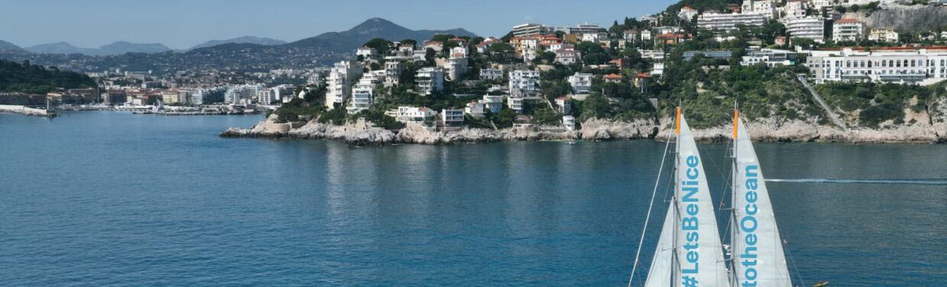
Tara expedition
The Tara Ocean Foundation conducted a major transoceanic and transdisciplinary scientific expedition, supported by the ANR through 12 projects, the Tara Oceans expedition. This expedition collected about 40,000 plankton samples across the oceans, creating the largest public database on plankton biodiversity (250 billion DNA sequences, 7 million images). It enabled a better understanding of marine ecosystems through the discovery of new species, genes, and viruses, revealing the unknown importance of plankton, viruses, and prokaryotes in the carbon cycle and climate regulation. They have also contributed to environmental governance, public awareness, and technological and biotechnological innovations (sensors, AI, potential therapeutic agents). Ongoing (Tara Pacific, Mediterranean, Microplastics) and future campaigns - on the study of corals and circumpolar ecosystems - will extend these advances in an increasingly international and interdisciplinary framework.
Eric Karsenty: EMBL, Romain Troublé: Fondation Tara, Gaby Gorsky: CNRS/Imev
1) Scientific Background:
The ocean ecosystem covers ~70% of Earth’s surface and contains 97% of all water on our planet. Plankton are the dominant life forms in the ocean and comprise highly dynamic and interacting populations of viruses, bacteria, archaea, single-celled eukaryotes (protists) and animals that drift with the currents. Together, these mostly microscopic organisms play a major role in maintaining the Earth system by, for example, carrying out almost half of the net primary production on our planet and by exporting photosynthetically fixed carbon to the deep oceans. Plankton also form the base of food webs that sustain the complexity of life in the oceans and beyond. Finally, those organisms contain old life forms and can help us better understand the origins of the genetic complexity that led to the emergence of complex eukaryotic organisms like us. With the goal to gain a holistic understanding of this complexity, ocean ecosystems biology investigates how biotic and abiotic processes determine emergent properties of the ocean ecosystem as a whole. Analogously to systems biology studies that require well-characterized cell lines or model organisms for a mechanistic, molecular understanding of their phenotypes, achieving this goal will require to establish an inventory of the ocean’s plankton, to collect data on the interactions of organisms with each other and the environment, and to integrate this information in the context of physicochemical boundaries in the ocean ecosystem across space and time. Global-scale efforts, although challenging, are poised to offer new insights into each of these directions and should make possible better predictions of the impact of climate change on this crucial component of the biosphere.
Planetary-scale studies of open-ocean organisms have long been the subject of dreams — from the Challenger Expedition (1872–1876), which led to the discovery and description of countless eukaryotic organisms, to the Global Ocean Sampling Expedition (2004–2008), which pioneered the genomic exploration of ocean microbial communities. The Tara Oceans expedition was conceived in 2008 as a multi-disciplinary project and team, including researchers with expertise in biological and physical oceanography, marine ecology, cell and systems biology, genomics, imaging as well as (bio)informatics, with a common
goal to study epipelagic and mesopelagic plankton on a global scale from gene to community level. At its beginning, this project, which would use the 36-m schooner Tara for the expedition and the whole support and expertise of the Tara Foundation, required trade-offs and innovations in sampling needs and capabilities. Enormous planning was required to identify oceanic areas of scientific interest; to negotiate foreign national waters sampling permits, ports and logistics; and to resolve intense debates across disciplines to establish baseline sampling protocols.
Finally, in September 2009, Tara set sail from Lorient, France, partially navigating through stormy weather and around pirates, to collect samples for analysis by state of the art molecular and imaging technologies. Interestingly, high throughput deep sequencing technology just started to be available at a relatively affordable price almost simultaneously with the start of the expedition. Similarly, high throughput imaging technology applied to protists and zooplankton was just becoming available. Artificial intelligence with machine learning were starting to be available and members of the consortium applied it to analyze immense data sets that came out from the expedition.
The primary objectives of Tara Oceans have been to generate a baseline understanding of plankton diversity, interactions, functions and phenotypic complexity across global taxonomic and spatial scales, and to communicate the scientific findings to the public and policymakers. In addition, all protocols, data and analyses are open access to promote further research. Working towards these goals, the consortium grew organically, and by the time the expedition was completed in 2013, Tara Oceans comprised 19 international partner institutions committed to generating, organizing and analyzing the vast volumes of new and heterogeneous data derived from the thousands of plankton samples collected worldwide.
Complementary expeditions exploring the deep ocean as well as local-scale and other global- scale plankton surveys have also been undertaken, some of which based on the principles developed in the Tara Oceans project.
The French ANR has heavily supported the Tara Oceans project and here we summarize the results of 12 such projects. One of them, Oceanomics, covers the whole program of Tara Oceans and is really the foundation of the global analysis. The other 11 projects cover more specific aspects or applied projects using the data of Tara Oceans.
Below are summaries of the projects:
Oceanomics, Poseidon, Prometheus, Tara-Girus: These projects have developed an integrative approach to exploring plankton marine ecosystems end to end from viruses to small metazoans including bacteria and protists. They focused on the description of the species and gene biodiversity, reconstructing many marine metagenomes from shot gun sequencing and generating metatranscriptomes. This has enabled the identification of many new viral, bacterial and eukaryotic species and genes/genomes. Some of biotechnological interest. This also led to several studies on the origin of viruses and eukaryotes. It was important to use both genomic and imaging techniques to better understand the impact of the environment and global ocean circulation on ecosystem structure and dynamics as well as the impact of climate change on the biogeography of planktonic organisms.
Phytback: Phytback studied phytoplankton diversity and responses to environmental variations and their role in the carbon cycle.
Mappi: This project is technological. Its function in the global Tara Oceans project has been to develop new analytical and organizational methods of large sequencing data sets.
Amphictot: Amphictot is an applied project aiming at developing new engineered amphidinolids based on rare marine macrolids with the aim of developing new anti-cancer chemotherapies.
Phytoiron: This project investigated the role of iron in phytoplankton productivity. In particular it characterized entirely new Iron transport systems mediated by a ubiquitous protein from phytoplankton.
Samosa: This project combined laboratory studies of gene expression patterns associated with controlled environmental conditions with the study of in situ genomes and transcriptomes of synechococcus extracted from metagenomes and metatranscriptomes generated during the Tara Oceans expedition.
Hydrogen: Analyzing very large datasets generated by metagenomics and metatranscriptomics like in the Tara Oceans or in the gut microbiome project is challenging in terms of machine time. Hydrogen has developed new algorithms implemented in a software named SIMKA that largely solves this issue.
Cinnamon: Global warming leads to an increase in ocean temperature and in iron poor zones which in turn affects phytoplankton growth in about 35% of the Ocean. This project studies the adaptation of synechococcus and picocyanobacteria to changes in iron concentrations both in laboratory studies and globally in situ using Tara Oceans data.
Coralgene: Coral reefs harbor about 30% of marine biodiversity and provide food to 1 billion people. Coral reefs are strongly exposed to global warming and composed of a poorly known and understood ecosystem composed of the Holobiont, symbiotic algae’s and many unknown other microorganisms. This project has involved a holistic sampling of 35 coral reef systems in the Pacific Ocean during the Tara-Pacific expedition and brought back a wealth of molecular and morphological data opening the way to a first global description of coral reefs exposed to various environmental conditions.
These projects offer perspectives for a better understanding of the planetary life reactor that oceanic plankton is, highlighting the importance of an integrated approach to managing essential marine ecosystems. After the results were firstly published in Science magazine in 2015, Tara Foundation bridged with Institutions and the United Nations in order to contribute to new and innovative ocean governance tools, to promote the use of plankton data and knowledge for predictions and monitoring. Since 2021, with the support of the FFEM and OFB, the Tara Foundation and CNRS are working on a new model, KOPAs (Key Ocean Planktonic Areas), aiming to quantify and monitor essential ecosystem functions delivered by the plankton ecosystem. This project is now leading to a concrete proposal to define planktonic hotspots on the Chilean coast, supported by the government of Chile.
2) Main contributions of the French Communities through ANR
2-1) Scientific progress; Cutting edge Science
1. Oceanomics, Poseidon, Prometheus and Tara-Girus.
Ten years ago, plankton knowledge was limited by technological and logistical constraints on holistic ocean life exploration. From the ~40,000 plankton samples collected across all ocean provinces and the spectrum of life—from viruses to animals in their physical and chemical context, these projects built the largest public database on the diversity of a planetary biome. This database includes ~250 billion DNA sequences and ~7 million plankton images from ~8,500 planktonic communities, covering 10 orders of magnitude in size. Samples were collected at 210 contrasting ocean sites at three depths, including the mesopelagic zone.
In addition to advanced genomic techniques and high-throughput microscopy, novel in situ (UVP) and benchtop (ZooScan) imaging methods have been used to study macroscopic protists, metazoans and aggregates and their role in biogeochemical cycles.
The data was compiled, sorted, analyzed, and made widely available, primarily through adapted spaces on existing European web platforms (ENA/EBI/EMBL, PANGAEA, SEANOE), as well as newly created online tools for data exploration and sharing (e.g., EcoTaxa, OBA).
Through analyses published in 153 scientific articles, these projects produced a global and uniform vision of:
- Plankton biodiversity on a planetary scale from viruses to small metazoa.
- The organization of biodiversity in relation to local biotic and abiotic environmental parameters and water mass dynamics (seascape).
- The relationships between biodiversity structure/dynamics and key ecosystem functions, such as the carbon pump.
- The probable evolution of plankton biodiversity and biogeography until the end of the century.
These pioneering systemic results were notably published in a 2015 Science special issue with six articles, followed by over 15 publications in Nature, Cell, and PNAS, with several featured-on journal covers.
Discoveries
The project revealed an unexpected diversity of species, genes, and novel functions in the ocean. It reconstructed the planetary plankton interactome, exploring multi-scale biotic and abiotic relationships that structure marine microbiome biodiversity, generate major ecosystem functions, and transform under Anthropocene environmental gradients.
Public ‘Tara Oceans/OCEANOMICS’ databases have become standards for plankton analysis, with over 2000 publications produced by the international community, including in top-tier journals.
Some key features of the discoveries include the unveiling of 47 million genes out of 35 000 taxa of prokaryotes, 200 000 types of DNA viruses with unknown hosts (only 39 were known before), 130 000 protists genera (10 times what was identified manually) harboring 116 millions genes coding for mostly unknown proteins.
The new sampling approach of Tara Oceans has also allowed to study giant viruses (Giruses) in an unprecedented way. An unexpected high amount of such viruses has been discovered and new interactions between giruses and eukaryotic species have been revealed. A phylogeny-guided genome-resolved metagenomic survey led to the discovery of plankton-infecting relatives of herpesviruses that form a putative new phylum dubbed Mirusviricota. The virion morphogenesis module of this large monophyletic clade is typical of viruses from the realm Duplodnaviria, with multiple components strongly indicating a common ancestry with animal-infecting Herpesvirales. A substantial fraction of mirusvirus genes, are closely related homologues of giant eukaryotic DNA viruses from another viral realm, Varidnaviria. Mirusviruses are among the most abundant and active eukaryotic viruses characterized in the sunlit oceans, encoding a diverse array of functions used during the infection of microbial eukaryotes from pole to pole. The prevalence, functional activity, diversification and atypical chimaeric attributes of mirusviruses point to a lasting role of Mirusviricota in the ecology of marine ecosystems and in the evolution of eukaryotic DNA viruses.
Another key outcome of the projects has been the discovery of many symbiotic systems involving interactions between protists as well as protists and prokaryotes as well as whole functional genome units of pro and eukaryotes inside viral genomes.
Using non-intrusive in situ UVP imaging technology, new data was collected on macroscopic organisms and marine snow. The global analysis of plankton images including fragile plankton and aggregates usually destroyed or damaged by conventional sampling has highlighted that in oligotrophic waters 1) the ecological roles of rhizarians, hitherto neglected, have been underestimated. Their biomass is equal to that of all other mesozooplankton and their contribution to carbon fluxes greater than that previously estimated. 2) New data from gelatinous plankton show that it can modify trophic structures and the carbon cycle. 3) Linking genes to ecosystems shows that prokaryotes and viruses contribute significantly to carbon export and that parasitism, infection and predation are important processes correlating with carbon export intensity. 4) In productive systems along the equatorial Atlantic and Pacific, evidence of increased marine snowfall contributes to carbon storage in the deep ocean.
More generally the organization of the data allows to examine organisms’ interactions across a size spectrum ranging from a few microns to millimeters.
Importantly, the unique structure of Tara Oceans data that combines genomics, species and environmental data, has allowed to build predictive models of the evolution of the biogeography of plankton biodiversity at the end of the century using the IPCC models of temperature changes.
2. Coralgene
Coral reefs have often been at the forefront of climate change research due to coral bleaching, ocean acidification, and concerns related to reef growth crises. Recent genomic advances have revealed that the complexity of coral genomes is similar to that of vertebrates. Adding to this complexity is the obligatory photosymbiosis of corals with microalgae. Beyond this symbiosis, corals also host a largely unknown array of bacteria and viruses, forming a complex symbiocosm known as the holobiont, aligning with the current revolution in studying microbiomes in the animal world.
The Tara-Pacific expedition has been an east-west transect from Panama to Japan and a south-north transect from New Zealand to Japan, sampling three species of corals, one fish species, and surrounding water under the concept of a mini-ecosystem in 32 island systems. The expedition and the analysis build on the systemic approach of Tara Oceans in the sense that corals and their associated ecosystems are examined as a whole including environmental data.
During its 2-year voyage, the Tara Pacific expedition sampled coral ecosystems from 32 islands across the Pacific Ocean and ocean surface waters at 249 locations, resulting in the collection of nearly 58 000 samples. At each reef site, two species of scleractinian corals, one
hydrocoral, and two species of fish were sampled and contextualized with water and aerosol samples as well as with environmental data obtained from taxonomic registries, gazetteers, almanacs, climatologies, operational biogeochemical models, and satellite observations. This led to approximately 102 Terabytes of metabarcode with different primers, metagenomes, and metatranscriptomes, as well as more than 5 000 metabolomic profiles. Metabolomes were described by using both liquid chromatography–high-resolution mass spectrometry (for the lipidome) and nuclear magnetic resonance imaging (for the hydrophilic component) analyses to assess and annotate a broad range of the metabolome of three coral holobionts. This unique multidimensional framework also includes a large number of concomitant metadata collected side-by-side, all now publicly available.
Discoveries
Two coral genomes, Porites lobata and Pocillopora meandrina were assembled and their genomes annotated revealing higher gene number than that found in other public coral genome sequences: 43,000 and 32,000 genes, respectively, which may be explained by a high number of tandemly duplicated genes. Microbial communities have been found to vary among and within the three animal biomes (coral, fish, and plankton) geographically. Within the coral microbiota, Endozoicomonadaceae, a globally distributed bacterial family, has been identified as a key bacterial symbiont of corals. A specific analysis of this taxon has now shown that the same clades are found across the Pacific Ocean but are host-specific at the species level and may harbor different specific functions. A survey of the viral compartment of the coral holobiont, found heritable integrations of multiple Dinornavirus (a dinoflagellate-infecting non-retroviral RNA virus) endogenous viral element genes in Symbiodiniaceae scaffolds (especially that of the genus Symbiodinium) from within the cnidarian metagenomes. Such a result suggests widespread and recurrent or ancestral integration and conservation of these endogenous viral elements, which might have a role in reef health, for example, as an antiviral mechanism.
The 32 archipelagos surveyed made for formidable natural laboratories and offered a wide range of environmental conditions in terms of temperature, acidification, and reef health state, making it possible to study the relationships between environmental and genetic parameters at large spatial scales. As an example, we provide evidence of high host–photosymbiont fidelity across environments in Pocillopora corals, with coral and microalgal gene expression profiles responding to different drivers.
Overall, the results indicate a three-tiered strategy of heat resistance in Pocillopora underpinned by host–photosymbiont specificity, host transcriptomic plasticity, and differential photosymbiotic association under extreme warming.
3) Phytback, Phytoiron and Cinnamon
Beyond the genomic, morphological and functional characterization of planetary ocean ecosystems, there was from the outset a clear vision in the Tara Oceans consortium that the data could be used to address environmental issues related to global warming. We already saw this in the resumé concerning the first 3 projects. These 3 projects are somehow related to environmental issues. The Phytback project aims to investigate the adaptation of phytoplankton cell size and shape in global circulation models. Phytoplankton communities are size-structured, and ecological functioning depends strongly on cell size and shape. Furthermore, phytoplankton size will influence the effectiveness of the biological carbon pump, through which carbon is sequestered from the atmosphere into the ocean interior by cell sinking. The project involves building models that can be used to formulate quantitative, predictions, to be tested in experimental setups and by using ecological and genomic data from the Tara Oceans expedition. Phytoiron characterized entirely new Iron transport systems mediated by a ubiquitous protein from phytoplankton. The CINNAMON project validated the existence of distinct thermotypes within the CRD1 clade, i.e., strains exhibiting different thermal tolerance ranges. It also highlighted specific characteristics: (i) physiological traits, including their low growth rates, low photosynthetic activity, and high repair rates of damage to photosystem II, and (ii) genomic features of the CRD1 and EnvB ecotypes compared to Synechococcus ecotypes inhabiting other ecological niches. These traits could be involved in adaptation to iron deficiency and/or temperature variations.
The issues addressed in those 3 projects need to be properly understood in order to progress in the study of the reaction of planktonic ecosystems to climate change, in particular in relation to iron availability and function.
4) SAMOSA
Oceans are particularly affected by climate change, which notably causes concomitant rises of i) average seawater temperature, ii) flux of UV radiations reaching the sea surface and iii) proportion of the ocean covered by nutrient-poor oceanic waters. One major challenge for understanding the impact of these processes on the whole ocean is to study the capacity of photosynthetic organisms (phytoplankton) to acclimate (physiology) and adapt (alteration/acquisition of genes) to these changes. Marine cyanobacteria belonging to the Synechococcus genus are among the most relevant biological models to study those questions because they are ubiquitous, very abundant and easy-to-grow. They are therefore suitable for cross-scale studies, from the gene to the global ocean.
In this project, 12 strains representative of the main genetic groups of Synechococcus (3 strains for each) have been analyzed. This revealed notable differences between these ecotypes, in particular with regard to temperature ranges at which the strains can grow, which agrees well with the latitude at which they were isolated. Analysis of the response to abrupt variations of environmental parameters (high light, UV, high/low temperature) has also revealed contrasted physiological responses both between ecotypes and between stress types.
The comparison of 97 picocyanobacterial genomes, including 32 new ones, assembled and annotated in the framework of SAMOSA, led to the identification of core gene repertoires and sets of genes specific of one group or shared by several groups of strains. The latter genes are good candidates to play a role in the adaptation to specific environmental conditions.
Finally, the diversity and distribution of Synechococcus at the global ocean scale has been determined through the analysis of 111 metagenomes from the Tara Oceans expedition, using a marker gene providing a good discrimination between the various genetic groups within this genus. This allowed to unveil the presence of groups whose abundance was so far widely underestimated, to identify novel groups for which there are no cultured representatives, and to delineate environmental conditions in which these different populations preferentially live.
Together with the results of Phytback, Phytoiron and Cinnamon, this provides invaluable data to be used in future models of biodiversity evolution with climate change at the planetary level.
5) MAPPI and HYDROGEN
Analyzing very large datasets generated by metagenomics and metatranscriptomics like in Tara Oceans and Tara Pacific is challenging in terms of sequencing processing and data assembly. Mappi and Hydrogen are working on algorithms allowing to improve the speed of data treatment. In particular, Hydrogen has developed new algorithms implemented in a software named SIMKA that solves some of the issues.
6) AMPHICTOT
Amphictot is an applied project aiming at developing new engineered amphidinolids based on rare marine macrolids with the aim of developing new anti-cancer chemotherapies. Interesting chemistry results are beginning to emerge of this study that will need to be used to test the new products.
2-2) Innovation for private enterprises, for science policy, for the citizen with a focus of coastal communities
Innovation- Building on fundamental insights into planktonic ecosystems, Oceanomics developed an applied research axis to screen preserved plankton strains in the Roscoff Culture Collection (RCC) for secondary metabolites and lipids. Applications in medicine, pharmaceuticals, and dermo-cosmetics were explored. Metabolic and lipid screening, along with bioactivity testing (anticancer and antimicrobial), were conducted on a broad phylogenetic range of plankton strains. A pipeline for valorizing plankton-derived compounds is now operational. Among the 60 extracts studied, about 10 show promise as active sources for various tumor pathologies.
Generally speaking, most of the work carried out using the samples of Tara expeditions offers a treasure trove of open access data that can be used by private enterprises to look for interesting new genes and proteins. The newly developed Alphafold software that allows to predict the 3D structure of proteins from the primary gene sequence will be very useful to investigate the large number of genes with unknown function discovered in the Tara Oceans project and others that derived from it.
The massive use during the Tara Oceans expedition of UVP and ZooScan imaging instruments built at the Observatoire Océanologique of Villefranche sur mer with the potential to quickly retrieve high-quality contextualized data have positioned them as standard oceanographic instruments by the international scientific community. They are manufactured by the French company Hydroptic and distributed worldwide.
Science policy- OCEANOMICS addressed legal questions related to genetic resource access under the Convention on Biological Diversity and the Nagoya Protocol. A report was produced that served as a reference for several marine biodiversity projects in France and Europe.
Citizen awareness- All the projects associated with the Tara Oceans project had a huge impact towards the awareness of the public at large, and politicians more specifically, concerning the importance of Ocean health and the role of plankton ecosystems in the continued sustainability of the planet environment for mankind. This is regularly done through education programs for schools, all sorts of media for the public as well as through direct communication with politicians. This has been possible thanks to the close collaboration between public institutions (CNRS, CEA, ANR and the non-profit Tara Ocean foundation). In addition, several citizen science projects like Plankton Planet involving sailors around the world have been initiated in the wake of the Tara Oceans expedition.
Methodolical breakthrough- The initial Tara Oceans expedition and the associated ANR projects have initiated an entirely new approach to the study of planetary ecosystems by developing an integrated and interdisciplinary approach. The whole project was planned from the outset by an interdisciplinary group of scientists, specialists of the various planktonic organisms from viruses to zooplankton. This group devised a quantitative sampling protocol allowing to characterize those communities, and the interactions within, in quantitative terms from genomes to morphological traits. This approach is now widely used by the oceanic community. In addition, state of the art technologies ranging from high throughput sequencing to sophisticated 3D quantitative imaging associated with remote sensing and oceanographic data have been implemented in an integrative way in the project. New tools have also been developed to quantify marine organisms in situ. Ecotaxa is an entirely new software system making use of AI to classify large numbers of organisms and help using the data in complex analyses. Finally, data are stored in international data bases (ENA/EBI and Pangaea) and freely available to the community.
3) Research Perspectives
3-1 Scientific aspects
There are 2 types of scientific perspectives that may come out from the initial Tara Oceans project. One deals with the exploitation of stored data and the other from the sampling and data analysis principles used initially in new expeditions.
Concerning the scientific perspectives one can envision broadly speaking 3 directions: one deals with the complexification and evolution of life in the oceanic microbiome ecosystem, the second concerns ecology and the third molecular biology.
The data stored from the Tara Oceans expedition contain a huge amount of genome data that can be used to study the complexification and phylogeny of plankton organisms. There are already a few examples that have been published concerning the discovery of missing links in the evolution of viruses and eukaryotes as well as in viral history. A huge amount of work remains to be done in this field, and the development of AI tools may greatly help in making progress in this field. In ecology a lot remains to be done on the analysis of organism interactions, the role of symbiosis and viruses in genome evolution and complexification but also in carbon sequestration. Also using Tara Oceans data have just started to be used to study the impact of global warming on ecosystems structure and biogeography. A lot more can be done. Finally, the enormous number of unknown genes uncovered open large possibilities to study the nature and activities of the proteins encoded by these genes. Again, AI availability such as the Alphafold software should be of invaluable help to use these data.
Concerning the expeditions: The program's innovative holistic approach, both experimental and analytical, has been adapted to other large-scale expeditions of the Tara schooner:
- Tara Pacific (2016–2018): Coral ecosystems.
- Tara Mediterranean (2014) and Microplastics (2019): The plastisphere.
- Mission Microbiomes (2020–2022): Planktonic ecosystems across South Atlantic coastal gradients.
- Plankton Planet: Global, long-term cooperative oceanography
The Tara Pacific expedition has been co-funded by ANR (Coralgene) and its analysis is just starting to produce very interesting publications. The other two have also started to produce results and will undoubtedly complement very well the Tara Oceans data. The microplastics expedition has revealed interesting aspects of interactions between microorganisms and these pollutants, as well as the plastic pollution patterns of the river flows from land to see. Plankton Planet is a participative science initiative aiming at gaining large geographical data on relatively simple biodiversity measurements of plankton by individuals sailing on their own ship.
One more expedition finished in 2024 : Tara Europa/TREC expedition which is largely based on Tara Océans original sampling protocol although adapted to coastal sampling. The goal of this expedition is very complementary to Tara Oceans that was mostly pelagic. This will bring interesting data on the interaction between land and marine ecosystems as well as on the impact of Human chemical pollution through land and rivers on coastal waters and plankton ecosystems.
Two large expeditions are also planned in 2026 and 2028. In 2026-27 a second effort on coral reefs, the Tara Coral expedition, will sample the so called Coral Triangle reefs where some resilience patterns has been shown recently. In 2028-29, a round-the-south pole expedition will sample the circum-polar jet together with a few other Tara-like platforms in the context of the international Antarctica In Sync research programme.
3-2 Technical Innovation
The development of new algorithms for complex genome data analysis is promising for application. There are other aspects of those projects that can bring technological innovations like the study of global and local metabolomics. The plankton biogeography data and their evolution can be of great use for fisheries. Finally, the unknown genes can lead to the discovery of new health related products. The implementation of new plankton classifiers is being considered using recent developments in AI.
3-3 Structuration of communities
Interdisciplinary international projects organized around large scale expeditions are by essence strong structuration processes. In the case of Tara Oceans scientists working in very different fields had to learn to work together and understand various disciplines. It has been interesting to see how bioinformaticians and oceanographers had to learn their respective languages for example. Beyond this, the Tara Oceans and derived projects forced strong interactions between various European and international institutions (EMBL, CNRS, CEA, ANR, American universities, ETH in Swizerland, Japan, Italian and Spanish universities) as well as Marine biological laboratories in France (Roscoff, Villefranche sur mer, Banyuls). In 2018, the GOSEE Federation (Global Ocean Systems Ecology & Evolution) was launched, directed by OCEANOMICS coordinators (C. de Vargas, Chris Bowler, Patrick Wincker). GOSEE integrates 18 institutions, including CNRS, CEA, PSL, SU, EMBL, and the Tara Ocean Foundation.
4) Bibliography: 153 publications many in high-ranking journals (Nature, Science PLOS, Cell). It is estimated that more than 2000 papers published by non-members of the consortium used the Tara Oceans data
Publications of specific interest
1. Structure and function of the global ocean microbiome, Sunagawa, S. et al. 2015, Science 348, 6237
2. Eukaryotic plankton diversity in the sunlit ocean, De vargas, C. et al. 2015, Science 348, 6237
3. Determinants of community structure in the global plankton interactome, Lima-Mendez, G. et al. 2015, Science, 348, 6237
4. Patterns and ecological drivers of ocean viral communities, Brum, J. R., 2015, Science, 348, 6237
5. Plankton networks driving carbon export in the oligotrophic ocean, 2016, Guidi L. et al., Nature, 532, 465
6. Ecogenomics and potential biogeochemical impacts of globally abundant ocean viruses, Roux, S. et al., 2016, Nature, 537, 689
7. Marine DNA viral Macro-and microdiversity from pole to pole, Gregory, A.C., 2019, Cell, 177, 5, 1109
8. Insights into global diatom distribution and diversity in the world’s ocean, Malviya, S. et al. 2016, PNAS, 113, 11, 1516
9. Influence of diatom diversity on the ocean biological carbon pump, Treguer, P. 2018, Nature Geoscience, 11, 27
10. Gene expression changes and community turnover differentially shape the global ocean metatranscriptome, Salazar, G. et al. 2019, Cell, 14, 179, 5, 1068
11. Tara Oceans: towards global ocean ecosystems biology, Sunagawa, S., 2020, Nat. Rev. Microbiol., 18, 8, 428
12. Biogeography of marine giant viruses reveals their interplay with eukaryotes and ecological functions, Endo H. et al., 2020, Nat. Ecol Evol., 4, 12, 1639
13. Eukaryotic virus composition can predict the efficiency of carbon export in the global ocean, Kaneko, H. 2021, iScience, 29, 24, 102002
14. Discovery of viral myosin genes with complex evolutionary history within plankton, 2021, Kijima, S. et al. Front Microbiol. 7, 12, 683294
15. Compendium of 530 metagenome-assembled bacterial and archeal genomes from the polar arctic ocean, 2021, Nat Microbiol. 6, 12, 1561
16. Global drivers of eukaryotic plankton biogeography in the sunlit ocean, Sommeria-Klein, G. et al., 2021, Science, 29, 374, 594
17. Giant viruses encode actin-related proteins, 2022, Da Cunha, V. et al. Mol. Biol. Evol. 39, 2, 6527639
18. Restructuring of plankton genomic biogeography in the surface ocean under climate change, Fremont, P. et al. 2022, Nature climate change, 12, 4, 393
19. Cryptic and abundant viruses as the evolutionary origins of earth’s RNA virome, Zayed, A.A. et al., 2022, Science, 376, 6589, 156
20. Functional repertoire convergence of distantly related eukaryotic plankton lineages abundant in the sunlit ocean, Delmont, T. et al. 2022, Cell genomics, 2, 100123
21. Diversity and ecological footprint of global ocean RNA viruses, Dominguez-Huerta, G. et al. 2022, Science, 10, 376, 1202
22. Genomic evidence for global ocean plankton biogeography shaped by large-scale current systems, 2022, Richter, D.J. et al., Elife, 3,11, 78129
23. Mirusviruses link herpes virus to giant viruses, Gaia, M. et al. 2023, Nature, 616, 7958, 783
24. Linking satellites to genes with machine learning to estimate phytoplankton community structure from space, El Hourany, R,. et al. 2024, EGU Ocean Science, 20, 1, 217
25. Complex genomes of early nucleocytoviruses revealed by ancient origins of viral aminoacyl-tRNA synthetase, Kijima, S. et al., 2024, Mol. Biol. Evol. 2,41, 8, 149
26. In situ imaging reveals the biomass of giant protists in the global ocean. Biard, T. et al. Nature 532, 504–507 (2016). https://doi.org/10.1038/nature17652
27.Biological and physical influences on marine snowfall at the equator. Kiko, R. et al. Nature Geosci 10, 852–858 (2017). https://doi.org/10.1038/ngeo3042
28. Baudena, A.et al. The streaming of plastic in the Mediterranean Sea. Nat Commun 13, 2981 (2022). https://doi.org/10.1038/s41467-022-30572-5.
27. Scales BS. Et al. (2021). Cross-Hemisphere Study Reveals Geographically Ubiquitous, Plastic-Specific Bacteria Emerging from the Rare and Unexplored Biosphere. mSphere 6:10.1128/msphere.00851-20. https://doi.org/10.1128/msphere.00851-20.
Institutional Legacy
The exceptional results of OCEANOMICS led the CNRS to propose the creation of a Research Federation. In 2018, the GOSEE Federation (Global Ocean Systems Ecology & Evolution) was launched, directed by OCEANOMICS coordinators (C. de Vargas, Chris Bowler, Patrick Wincker). GOSEE integrates 18 institutions, including CNRS, CEA, PSL, SU, EMBL, and the Tara Ocean Foundation. GOSEE continues holistic exploration of marine ecosystems, aiming to understand fundamental self-organization mechanisms of life across space and time at the ecosystem scale, and integrating this knowledge into Earth system models.
Future Programs
Building on OCEANOMICS, several large-scale programs were developed, including:
- The EU project AtlantEco (2020–2024, €15 million): Meso-scale Atlantic Basin ecosystem assessment.
- Plankton Planet: Global, long-term cooperative oceanography.
- TREC (2023–2024, €15 million) and EU project BIOcean5D (2022–2026, €18 million): Fine spatio-temporal gradients in land-sea ecosystems.
POSEIDON - PrOtiSts EcologIcal bioDiversity in Tara-OceaNs ANR-09-BLAN-0348 PROMETHEUS - Approches génomiques pour l?analyse de la biodiversité fonctionnelle des protistes océaniques de l?expédition Tara-Oceans. ANR-09-GENM-0031 TARA-GIRUS - Inventaire et ressources génétiques de virus géants à ADN dans les milieux marins sur Tara-Oceans ANR-09-GENM-0032 PHYTBACK - Rétroactions écologie-climat dues à l’évolution de la taille et de la forme du phytoplancton ANR-10-BLAN-1709 AMPHICTOT - Synthèse totale des amphidinolides C, C2 et F: Des produits naturels d'origine marine prometteurs dans la thérapie anti-cancéreuse. ANR-11-BS07-0028 PHYTOIRON - Mechanisms of iron assimilation in marine micro-algae ANR-11-BSV7-0018 SAMOSA - Synechococcus as a model genus for studying adaptation of marine phytoplankton to environmental changes ANR-13-ADAP-0010 HydroGen - Metagenomique comparative comme instrument de mesure pour la biodiversité. Application à l'étude de la vie dans les océans ANR-14-CE23-0001 CINNAMON - Analyse multi-échelle de l’adaptation à la carence en Fer chez un organisme clé du phytoplancton marin, dans un contexte de changement global ANR-17-CE02-0014 CORALGENE - Complexité génomique de l’holobionte « corail » à l’échelle du Pacifique ANR-17-CE02-0020 OCEANOMICS - Biotechnologies et bioressources pour la valorisation des écosystèmes marins planctoniques ANR-11-BTBR-0008List of projects
