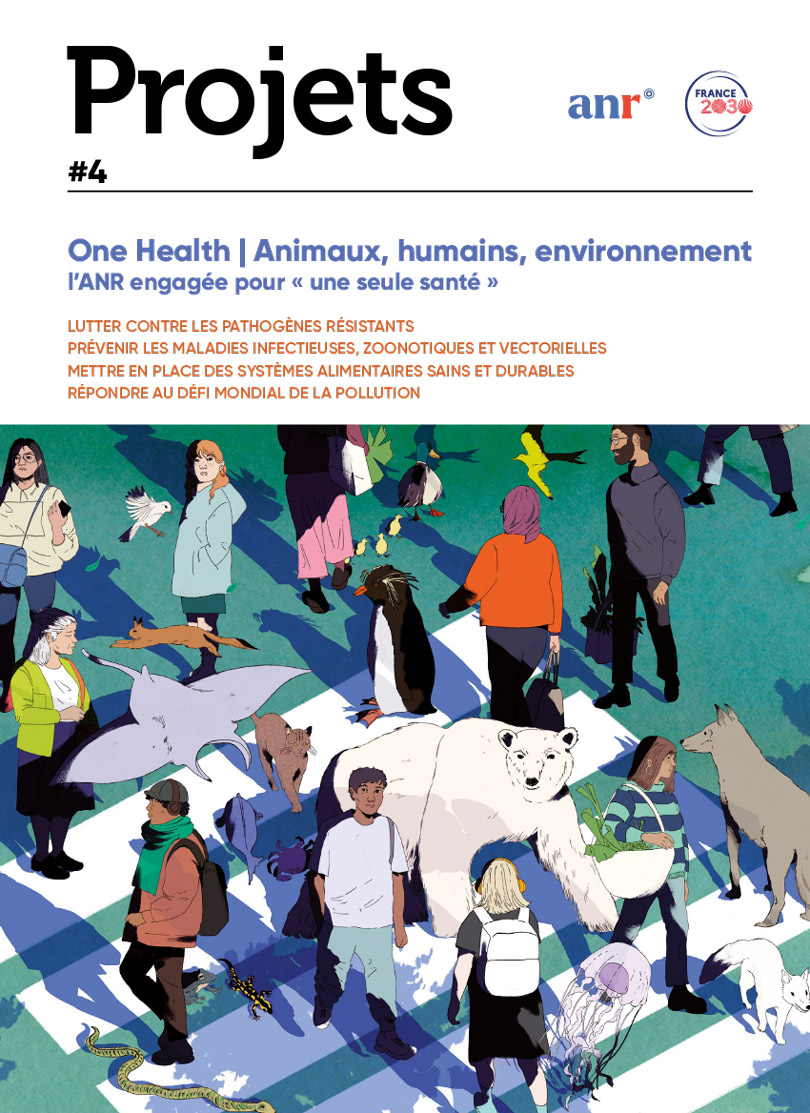
Animals, humans, environment: the ANR is committed to One Health
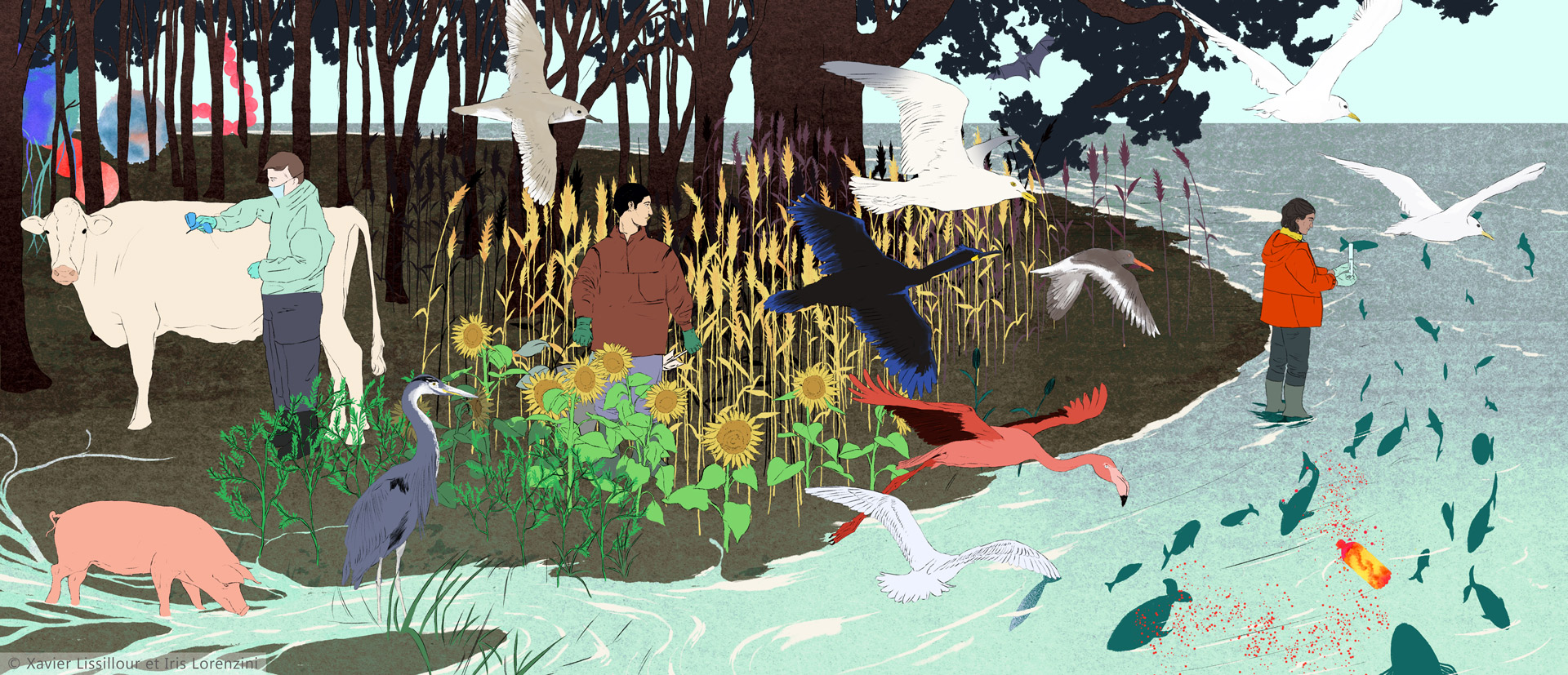
Editorial
The One Health approach: The ANR Committed to Future Health
Human health, animal health, and the health of ecosystems are deeply interdependent. The One Health approach is based on the principle that understanding and preventing contemporary health risks entails collectively grasping interactions between living beings and their environment. This integrated approach has emerged as a vital framework for research and public action in contending with growing challenges such as emerging diseases, antimicrobial resistance, food security, and environmental pollution.
Since its creation, the French National Research Agency (ANR) has supported scientific projects in keeping with this interdisciplinary and systemic perspective, notably in connection with the Health-Environment programme launched by the Agency in 2005. In addition, in 2018 the ANR established a One Health Programming Advisory Panel (CPP) for its Generic Call for Proposals (AAPG), which includes three programme agencies and multiple ministries*.
Research represents an essential tool for understanding the mechanisms behind health crises, anticipating their evolution, and developing sustainable responses. Between 2014 and 2025, 776 projects consistent with a One Health approach were funded by the ANR as part of its Work Programme, for a total of 322 million euros.
This dynamic is wholly in line with national investment priorities for research and innovation. As part of the France 2030 plan, the ANR operates, on behalf of the French government, multiple structural programmes that focus especially on emerging infectious diseases, antibiotic resistance, and sustainable food systems. Between 2011 and 2025, 84 projects, representing more than 240 million euros of investment, strengthened research capacity, structured scientific communities, and accelerated the transfer of knowledge toward public policy and innovation.
All of these projects supported by the ANR mobilise a wide range of disciplines – biology, medicine, ecology, agronomy, human and social sciences, environmental science – and illustrate the capacity of scientific communities to work in decompartmentalized fashion.
This mobilisation also translates into a strong international and partnership-based dynamic. Over one quarter of supported projects are part of a European programme (notably partnerships from the Horizon Europe framework programme) or an international one, enhancing the competitiveness and integration of French teams in major research areas. Funding instruments span the entire research spectrum, ranging from projects led by young researchers to major collaborative initiatives bringing together public laboratories, socioeconomic actors, and institutional partners.
These projects ANR-supported help, among other things, to structure research around the four major scientific and societal issues central to this publication: the effort to combat antimicrobial resistance; infectious, zoonotic, and vector-borne diseases; the sustainability of food systems; and chemical and environmental pollution.
The results of these projects bear witness to the growing scientific and societal impact of this research. For projects in keeping with a One Health approach supported by the ANR as part of its Work Programme, 3,860 publications have been identified, of which 86% are in open access, thereby promoting the diffusion of knowledge. More than 38% of the projects with publications had their research cited in public policy documents, illustrating the direct contribution of research to developing health, environmental, and agricultural strategies. That is considerable, and illustrates the importance of science as a basis for public policy.
In this journal, the ANR gives voice to numerous researchers funded by the Work Programme and/or France 2030, in order to shedding light on the wealth and diversity of research conducted by French teams and their international partners. These projects illustrate how science helps understand the health and environmental mechanisms at work, as well as to anticipate risks, guide decisions, and accompany the transformations needed to preserve global health.
In the face of contemporary global challenges, the One Health approach offers a reminder – now more than ever – that the health of humanity is indissociable from that of animals and ecosystems. Through its support for ambitious and interdisciplinary research that is open to society, the ANR continues its efforts to help craft scientific solutions for the health of the future.
Claire Giry
President & CEO of the French National Research Agency
*The Health Research Agency, Agralife Agency, and Climat, Biodiversity, and Sustainable Societies Agency.
Key figures
Work Programme
- 776 projects from 2014-2025 for a total of 322 M€, 13% of which involved two or three topics. The trend since 2014 has been an increase in the number of such projects with each edition (an average annual increase of 25%), with 28 projects in 2014 and 128 in 2025.
- Of which:
- 28% are projects from international calls, or calls seeking to stimulate the participation and competitiveness of French teams in Horizon Europe
- 15% are AAPG Young Researchers projects
- 9% are projects funded for instruments contributing to innovation and encouraging public-private partnerships
- 28% are projects from international calls, or calls seeking to stimulate the participation and competitiveness of French teams in Horizon Europe
Publications*
- For projects in keeping with a One Health approach, 3,860 publications were identified, representing on average 8.7 publications for each project that published. The most recent projects do not yet have publications associated with them.
- 86 % of publications are in open access.
- 15.4% of publications are cited in public policy documents. Over 38% of projects with DOI publications had their research cited in public policy documents. The average time between securing a project and having one of its publications cited in a public policy document is 5.7 years.
 France 2030
- 84 projects (13 of which are sub-operated by the ANRS Emerging Infectious Diseases, ANRS MIE), for a total of more than 240 M€ between 2011 and 2025.
- 81% of publications are in open access.
- For projects in keeping with a One Health approach, 890 publications were identified, representing an average of 15.89 publications per project that published.
- 24% of publications are cited in public policy documents. 59% of projects that published had their research cited in public policy documents. The average time between securing a project and having one of its publications cited in a public policy document is approximately 10 years.
*Analysis conducted based on publications with a DOI (persistent URL).
Antimicrobial resistance
☰
Sustainable food systems
☰
Infectious, zoonotic, and vector-borne diseases

☰
Exposure to pollution
☰
The One Health approach, essential to combatting resistant pathogens
☰
☰

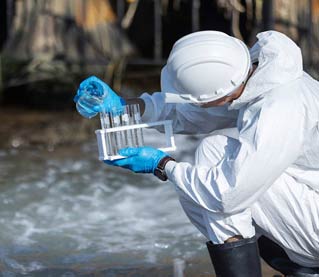
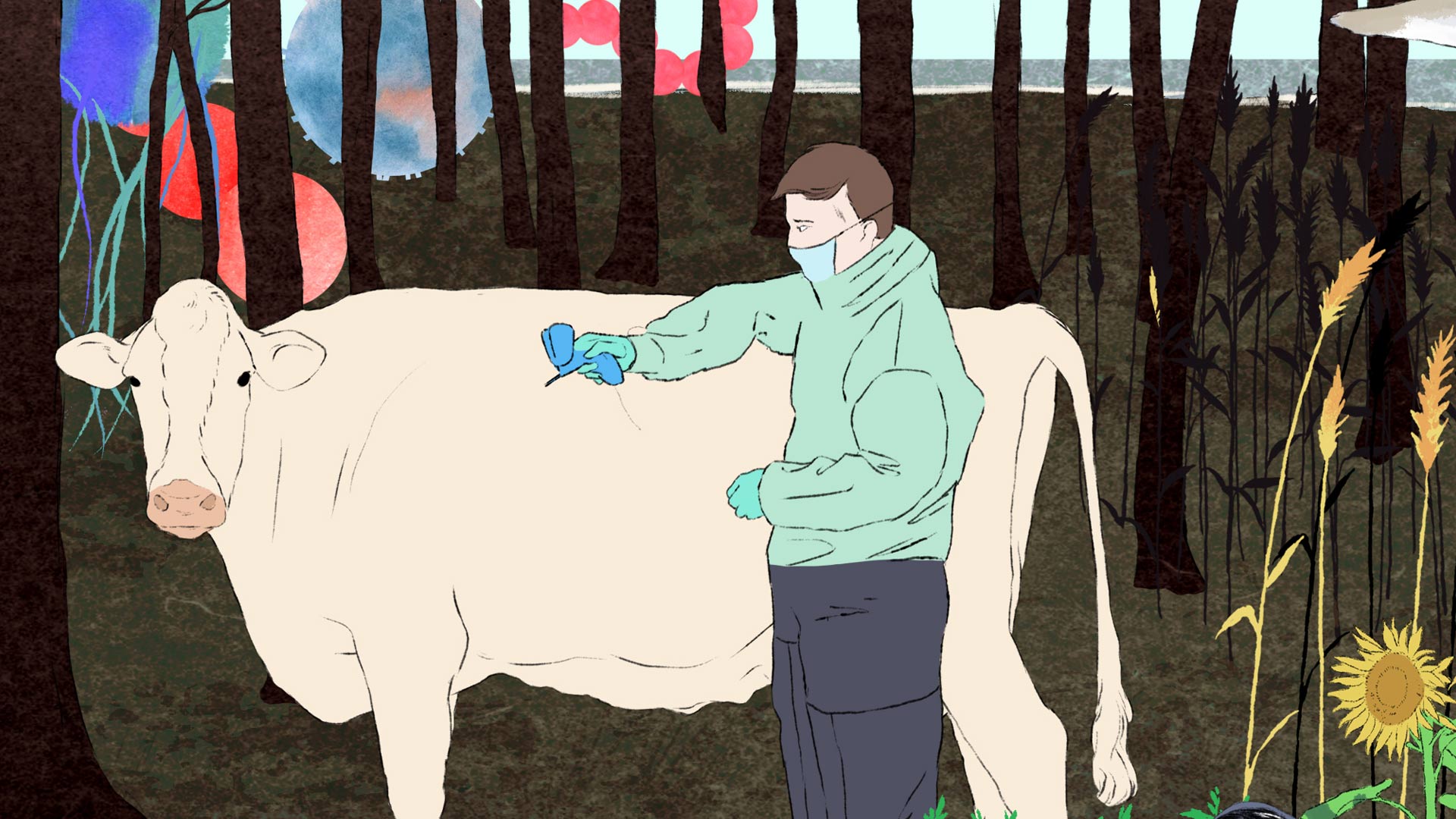
While the use of antimicrobials1 (antibiotics, antifungals, antivirals, and antiparasitics) is a major tool in combatting infectious diseases in human, animal, and plant health, their inappropriate use and dissemination in the environment have fostered the emergence and natural selection of pathogens that resist treatment. The World Health Organization specifically included antibiotic resistance2 among the 10 greatest threats to global health. In 2016, France began implementing the “One Health” approach by implementing an interministerial roadmap, updated in 2024, which makes research central to combatting antimicrobial resistance. In this context, the ANR established an ambitious and structural programme by: prioritising the topic in its Generic Calls for Proposals (2019-2020); launching two specific French-German calls for proposals (2019-2020); taking part in 17 international calls in connection with the JPIAMR and EUP OHAMR programmes (2014-2025); establishing a Priority Research Plan (PPR) in 2020 (France 2030, led by Inserm); and finally publishing a handbook and holding a conference in 2022.
Between 2014 and 2025, 91 projects were funded for a total budget of 30.5 million euros as part of the Work Programme. Over half (63%) were part of international collaborations (European and international programmes, PRCI, specific bilateral, MRSEI, SRSEI, T-ERC, Access ERC). French researchers collaborated with counterparts from 50 countries, including many European ones as well as low-income countries particularly affected by the burden of antibiotic resistance. The projects funded by the ANR primarily focused on four topics: the selection and transmission mechanisms of resistance (35%); monitoring (28%); decontamination strategies, especially environmental (25%); and the determinants, social in particular, for the use of antimicrobials in animal health and agronomy (10%). In total, 76% of the projects funded specifically involved resistance to antibiotics.
The France 2030 plan also expanded support for the One Health approach in the fight against antimicrobial resistance, in the amount of approximately 24 million euros. Funding for senior and junior chairs as part of the Antibiotic Resistance PPR promoted the emergence, on French territory, of a new generation of researchers including the One Health approach within their research strategy, while the PROMISE professional network improved inter-sectoral coordination for strategies to combat antibiotic resistance in France. These initiatives complement the other instruments supported by France 2030, such as LabEx (including IBEID), IHUs (including the Mediterranean Infection IHU), and ÉquipEx (including the recent Infectiotron).
1 Antimicrobials: drugs used to treat bacterial, viral, fungal, or parasitic infections in humans, animals, and plants. Antimicrobial resistance (AMR): bacteria, viruses, fungi, and parasites evolve over time and no longer react to drugs, making it more difficult to treat infections, thereby increasing the risk of therapeutic impasse.
2 Antibiotics: drugs that fight infections from bacteria (source: Pasteur Institute). Antibiotic resistance: resistance of bacteria to antibiotics.
The One Health approach, essential to healthy and sustainable food systems
☰
☰
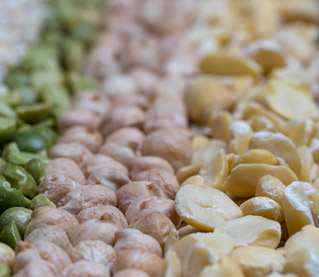

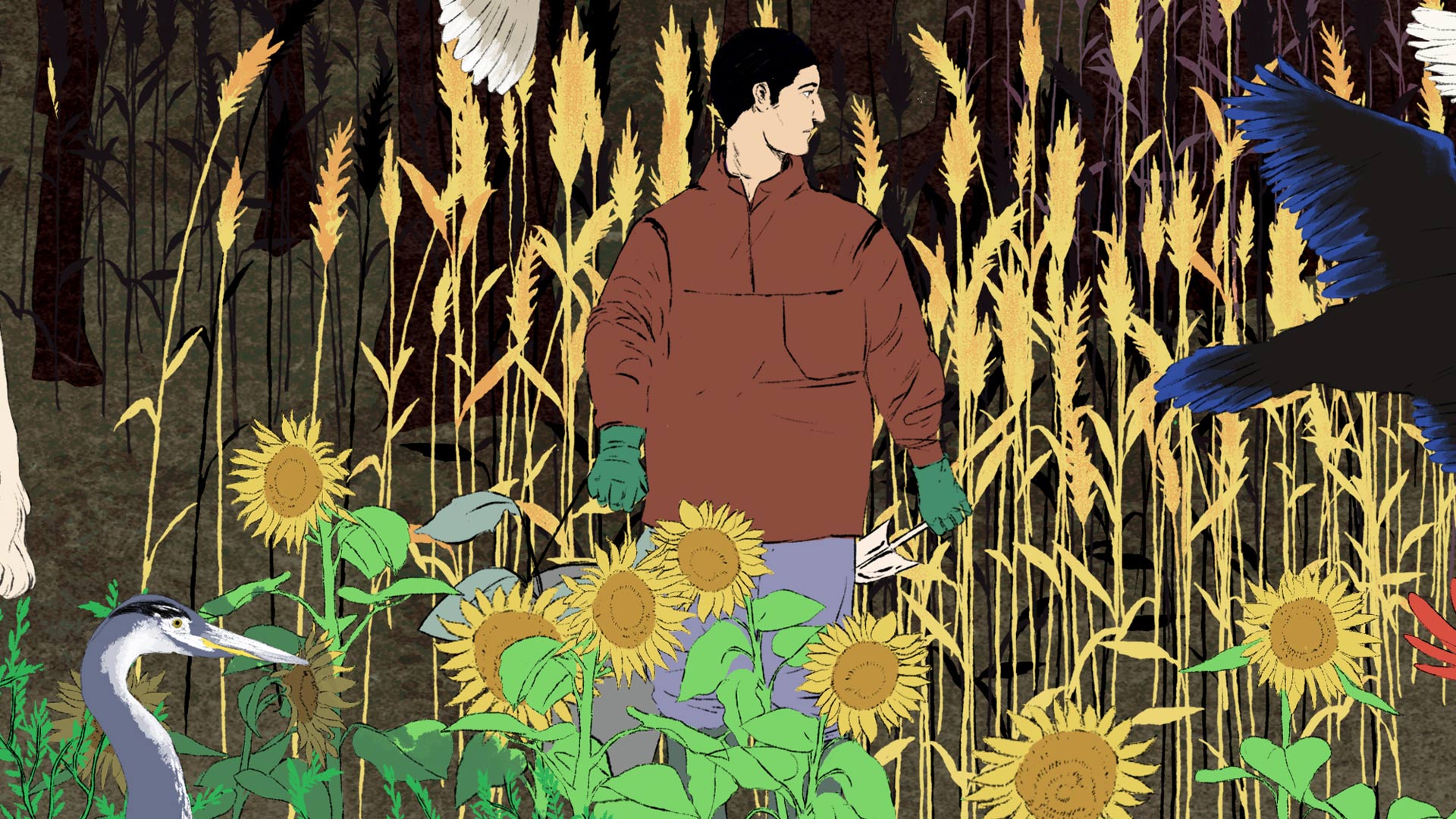
A sustainable food system ensures food and nutritional security for all, while preserving the economic, social, and environmental foundations vital for future generations.1 Food and nutritional security exists when all people, at all times, have enduring access to adequate food — sufficient in terms of quantity, quality, safety and sociocultural acceptability — thereby enabling them to lead a healthy and active life1.
Sustainable food systems are central to the interdependent risks affecting human health, the health and well-being of animals, and ecosystems. Faced with global health threats arising from environmental degradation, climate change, and pollution, the One Health approach is essential to promoting healthy and sustainable dietary systems, all while mitigating these risks. This approach adopts a systemic vision of the food system from production to consumption, notably including the stages of storage and transformation, which are indispensable to ensuring the health quality of foods. all while limiting loss and waste. Major focus areas for enhancing food system sustainability include the evolution of production, storage, processing, and consumption practices, with a better ratio between plant-based and animal proteins, along with less ultra-processed foods.
Since 2010, the ANR has funded over 250 projects in this field, for a total of nearly 110 million euros (Work Programme, France 2030), with 27% of these projects representing international collaborative projects). Approximately half of all projects focus on health risks from pathogens (Listeria, salmonella, etc.), toxins (mycotoxins, marine biotoxins), and other chemical contaminants (pesticides, heavy metals, PFAS substances2, micro-nano plastics). Multiple projects study agri-food transitions that promote plant biodiversity in production and consumption. In connection with France 2030’s national acceleration strategy for Sustainable and Healthy Food, the Food – Microbiomes (SAMS) research programme (PEPR), with a budget of 5 M€, studies the microbiome and its interactions with food and health, and identifies the conditions for implementing sustainable food systems. A specific measure, Developing Plant-based Protein and Diversifying Protein Sources, allocated over 6 M€ to transforming health systems from a One Health perspective.
In connection with calls for proposals, especially on the international level (FutureFoodS and Agroecology European partnerships), French research teams recently strove to integrate an interdisciplinary, integrative, and trans-sectoral perspective in keeping with a One Health approach, offering an essential policy framework for coherent actions on the national and local level. This approach is especially relevant for the French West Indies, where chlordecone exposure persists in the soil, plants, animals, and humans, affecting the entire local food system.
1 World Food Summit, 2016
2 Perfluoroalkyl and polyfluoroalkyl substances.
The One Health approach, essential to monitoring, preventing, and treating infectious, zoonotic, and vector-borne diseases
☰
☰
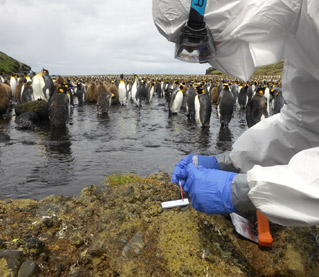
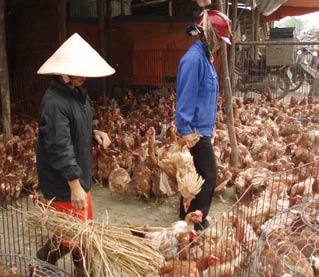
The emergence, or re-emergence, of an infectious disease arises from complex interactions between infectious agents, their hosts, and their environments; balances changed under various pressures, allowing the species barrier to be crossed. For example, the Covid-19 pandemic, the most serious in our recent history, was sparked by an emerging coronavirus transmitted to humans from animals. The pandemic underscored the close links between human, animal, and environmental health, within a context of ecosystem degradation, as well as increasing contact between humans, livestock, and wildlife.
Reduced environmental pressures and the inclusion of a One Health approach are now essential levers in scientific and operational measures to combat and prevent new emergences.
The ANR, which has been active in this effort for years, supports basic and applied research focusing on infectious, zoonotic, and vector-borne diseases. Between 2014 and 2025, the Agency funded over one hundred projects as part of its Work Programme, for a total of nearly 50 M€. This funding was primarily allocated (62%) via the Generic Call for Proposals (Infectious Diseases and the Environment focus area), as well as through specific calls for proposals (FLASH COVID-19, RA-COVID-19), and international initiatives such as BiodivERsA and ICRAD. Nearly half of supported projects study vector-borne diseases (45.7%), and the other half (47.4%) non-vector-borne zoonoses. With regard to vector-borne diseases, 68% of projects involve pathologies transmitted by mosquitos, the most common being malaria.
In connection with France 2030, the ANR also serves as an operator for implementing the acceleration strategy for Emerging Infectious Diseases and NRBC Threats. The strategy, which was launched in 2021, notably aims to prevent, understand, and control the emergence or re-emergence of infectious diseases, and fully includes a One Health perspective in this effort. It strengthens existing funding and structuring initiatives on the topic (PIA 1 to 3), with a current estimated total of approximately 148 million euros for research and training, via more than forty funded projects.
The PREZODE PEPR, a flagship measure of the acceleration strategy’s research component, and closely connected to the international initiative of the same name, pursues a pioneering vision of zoonotic risk prevention, before the species barrier is crossed. The programme is based on a decompartmentalized approach between human health, animal health, and the environment. It involves multidisciplinary research teams and operational management actors, including some on the EU level.
The One Health approach, essential to addressing the challenge of global chemical pollution
☰
☰
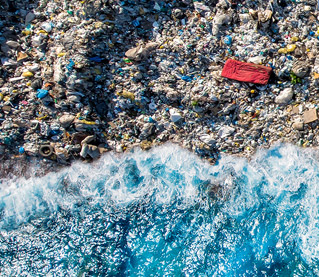

The One Health concept, defined by OHHLEP1 (2022) as an integrated approach seeking to sustainably balance the health of humans, animals, and ecosystems, today serves as a central strategic framework in addressing the challenge of global chemical pollution.
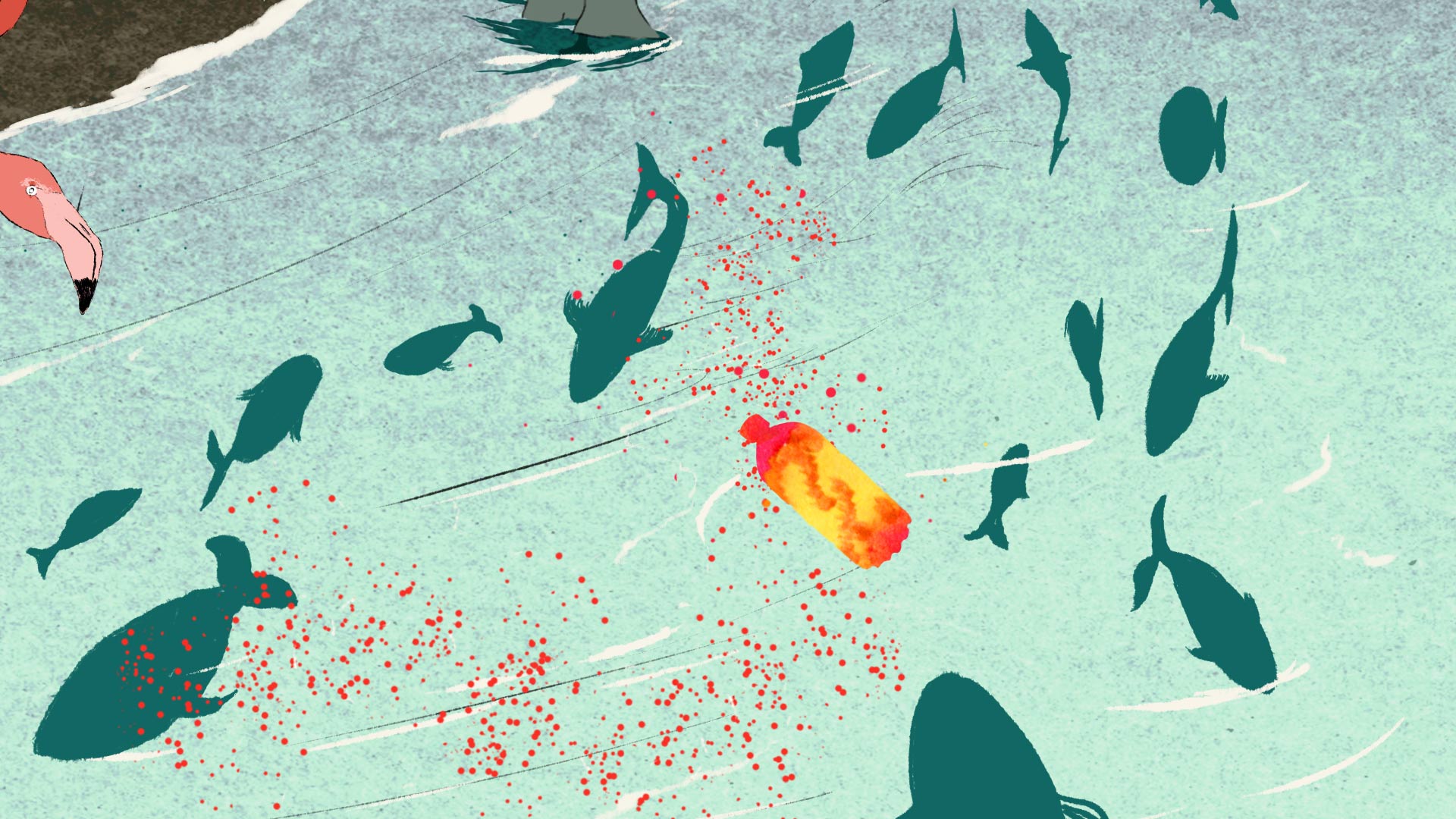
Chemical pollutants and micro(nano)plastics are ubiquitous today in the air, water, soil, and food. Over 100,000 substances are currently available on the market, however only a small fraction have been the subject of comprehensive toxicity and exposure assessments. There are numerous forms of exposure, which can potentially have inter- and transgenerational effects. Despite scientific advances, considerable gaps remain regarding the exposome1, and the real effects of these contaminants on human, animal, and environmental health.
The ANR supports basic and applied research on these issues. Since 2014, the ANR has funded 442 projects for a total of approximately 200 million euros in connection with its Work Programme, primarily via the Generic Call for Proposals but also via specific calls (Chlordecone and Sargassum calls), in addition to international initiatives (BiodivERsA and AquaticPollutants). Since 2014, there has been a steady increase in projects focusing on micro(nano)plastics. With respect to perfluoroalkyl and polyfluoroalkyl substances (PFAS), half of all One Health-related projects were funded in the last two years. As part of France 2030, there have been 13 projects for a total of 55 million euros focusing on this issue, including one entirely dedicated to the exposome.
This research seeks to better understand and characterize pollution, notably by developing new detection and quantification methods — such as micro(nano)plastics quantification in different environmental and biological matrices — as well as spatiotemporal maps for the concentration of various pollutants in different environmental compartments. Ecotoxological and toxicological research components explore the effects that contaminants have on organisms, from intercellular mechanisms to population level impact. Studying the combined effects of pollutants (“the cocktail effect”),as well as their interactions with other environmental disturbances (notably climate change), is essential to understanding the real impact of environmental pollution on human populations. Finally, cohort monitoring, such as E3N-Générations and RE-CO-NAI, represents a major focus area of the One Health approach when studying the effects of environmental pollution on human health.
1 One Health High-Level Expert Panel established by the FAO.
2 The exposome is the cumulative environmental exposure (including the chemical, microbiological, physical, recreational, and medicinal environment, in addition to life style, pollution, noise, food, etc.) to which a person is potentially subject throughout their lifetime.