

Launching of a Franco-German joint call for proposals on sustainable energy
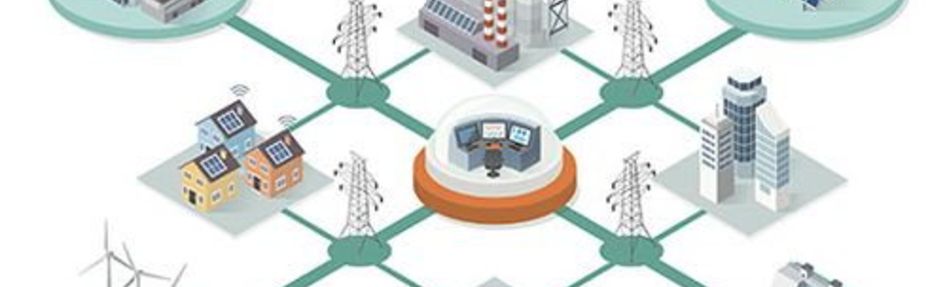
Fostering innovative solutions through closer bilateral cooperation
The call for proposals, initially earmarked for launch in early 2018, was postponed to allow the new German government to take office. It aims to support the development of innovative, effective, sustainable energy storage and distribution solutions.
It comes amid closer cooperation between France and Germany in energy research, as confirmed by the countries’ respective ministries for research at the Franco-German Ministerial Council on July 13th 2017. The partnership seeks to boost innovation in both countries and develop a sustainable energy system in Europe by 2050, in line with the targets set out in the Paris Climate Agreement ratified following the COP 21 conference.
Funding will be provided to collaborative projects between French and German partners that conduct application-oriented basic research (roughly corresponding to TRL 1-5) aiming at highly innovative, cross-sectoral solutions for economically, ecologically and socially sustainable and secure energy storage and distribution in France, Germany and Europe. The call is open to research institutions and companies.
Two main topics
Research to be funded shall address one of the following thematic priorities:
- Conversion and storage of energy from renewable sources
- Electrical and electrochemical storage materials and technology, especially new batteries
- Storage systems for use within smart grids (i.e. ancillary services, virtual power plants)
- Power-to-X technologies including electrolysis, synthetic fuel production, photo-electrochemistry and solar fuels
- Hydrogen and fuel cell technologies, hydrogen storage and distribution
- Smart Grids at transmission and distribution levels
- Materials and technologies for smart grids in general and for high-voltage direct current transmission systems
- Grid flexibilization and management (including architectures, digitalization, storage integration, other flexibilization technologies)
- Border-crossing aspects on the technical and governance levels (i.e. interoperability, regulations, European energy market)
