

A project for a vaccine against hepatitis C and B rewarded by the French National Academy of Medicine

Hepatitis C is a viral disease of the liver. It can lead to both an acute infection and chronic infection, the seriousness of which can vary from a benign form lasting a few weeks to a serious life-long illness.
According to the World Health Organisation (WHO), between 130 and 150 million people in the world are chronic carriers of hepatitis C. For a large number of the people suffering from the chronic form of the disease, the infection develops into cirrhosis or cancer of the liver. Each year between 350,000 and 500,000 people die from hepatic pathologies associated with this virus.
A project that brings hope
 Considerable progress has been made in the treatment of the hepatitis C virus over the last few years, particularly with the development of direct-acting antiviral drugs. These treatments nevertheless remain costly and induce significant secondary effects. Consequently they do not suffice for the treatment of people suffering from the chronic form of the disease. Moreover, four million new cases of infection reportedly occur each year according to the WHO. As the majority of these new infections are asymptomatic, the persons affected are unaware that they have contracted the virus. This means that they are not treated medically and risk transmitting the disease to healthy subjects. It is for all these reasons that the Hepatibivax project saw the light of day. The development of a preventive vaccine against this virus would make it possible to control the epidemic on a global scale and thereby reduce the health expenses relating to the treatment of chronic infections.
An innovative vaccine concept
The hepatitis C virus envelope proteins would theoretically represent good targets for the development of a vaccine. Unfortunately they are technically very difficult to produce because they are trapped in intracellular compartments. To overcome this obstacle, the Hepatibivax team intends taking advantage of the specificity of one of the proteins in the envelope of the hepatitis B virus. The major envelope protein of this virus has the capacity to form small subviral particles which are not infectious but are highly immunogenic. This phenomenon was moreover used to develop the hepatitis B vaccine, which has been used with success for twenty years now.
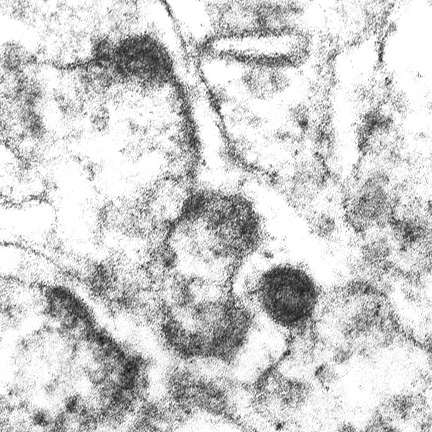
The strategy adopted in the Hepativax project was thus to develop a vaccine that would enable the envelope proteins of the two viruses to be associated in order to create a bivalent vaccine. The chimeric envelope particles combining the envelope proteins of the two viruses thus resemble those of the hepatitis B vaccines but have the advantage of containing the totality of the hepatitis C virus envelope proteins E1 and E2.
The project has given rise to tests on animal models which have shown that the chimeric particles produced could cause the formation of antibodies which neutralise different genotypes of the hepatitis C virus in vitro. The tests also show that these particles induce a response against the hepatitis B virus equivalent to that induced by a commercial vaccine. These results give good reason to believe that these particles could substitute for current vaccines against the hepatitis B virus, while at the same time affording protection against the hepatitis C virus. As they can be produced in the same way as those of a hepatitis B virus vaccine, they will also enable industrial development times and costs of the vaccine to be reduced.
The results of the Hepatibivax project still have to be tested on humans, but they indicate that the development of a bivalent vaccine is credible and would bring many advantages. The concept is patented and should lead to an industrial partnership. The Hepatibivax project is coordinated by Philippe Roingeard of the François Rabelais University in Tours and associates the Pasteur Institute and the SPVC (Partnership, Valorisation, Contracts Service) of Tours University.
Find out more:
- The page dedicated to the project on the ANR website
